Voters weigh Iran war costs as Congress control hangs in balance
With polls open, the conflict with Iran and high prices have become central to a decision that will determine which party oversees the White House for the final two years of the current term.
By Natalia Costa ·
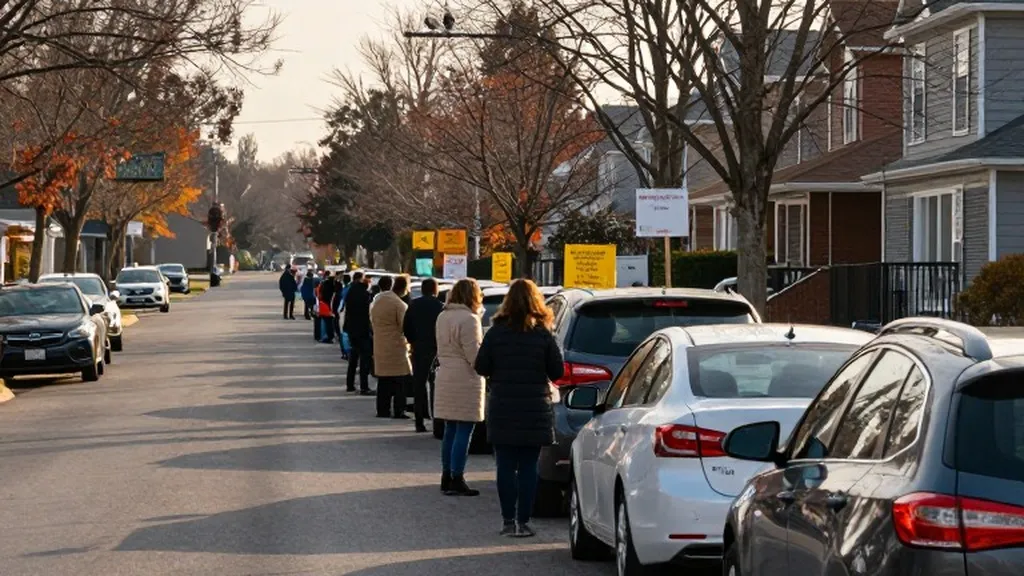
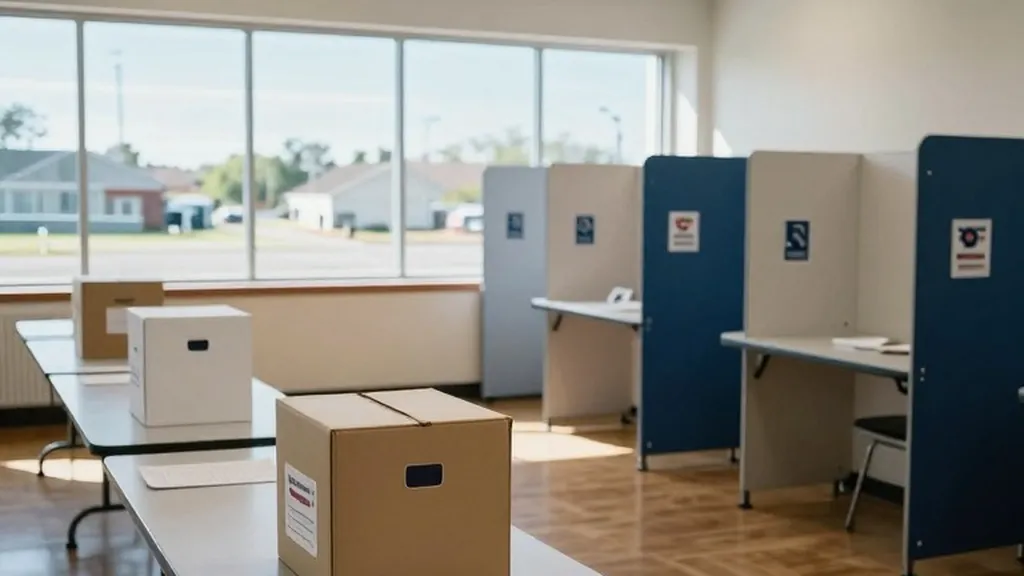
The war with Iran has emerged as a defining factor for voters on Election Day, Tuesday, November 3, 2026. The Associated Press describes the national mood as one where citizens are struggling with high prices and are angry over an unpopular war. This sentiment is shaping the race for control of Congress, which will determine the legislative agenda for the final two years of President Donald Trump's second term. Voters are currently casting ballots in a midterm election that serves as a referendum on the administration's handling of both the economy and foreign policy.
Polling data indicates that 35 percent of U.S. Adults approve of President Trump's job performance, while only 25 percent approve of his handling of the economy. Approximately seven in ten adults say the country is heading in the wrong direction, and most blame the president for high prices. These economic concerns are compounded by the ongoing conflict with Iran, which has added a layer of national security stress to the cost-of-living crisis. The combination of these factors has created a volatile environment for the administration's party.
In the U.S. House of Representatives, all 435 seats are up for grabs. Republicans currently hold 218 seats, while Democrats hold 214, with one independent and some vacancies. Democrats need a net gain of three districts to secure a majority, whereas Republicans can lose no more than two seats. Ballotpedia identifies 46 battleground districts, with 25 held by Democrats and 21 by Republicans. The outcome of these races will dictate whether the minority party can conduct robust oversight and potentially initiate investigations into the administration's actions, including its management of the war in Iran.
The fight for the U.S. Senate involves 35 of 100 seats, including 33 regular elections and two special elections for the terms of Marco Rubio and JD Vance. Republicans hold 53 seats, and Democrats hold 45, plus two independents who caucus with Democrats. Democrats need a net gain of four seats to take control, a threshold that makes the race particularly tight. Ballotpedia lists 13 competitive Senate races, including key matchups in states like Georgia, Michigan, and North Carolina. The result of these races will influence the balance of power in the chamber responsible for confirming judicial nominees and ratifying treaties, a role that becomes critical during times of international conflict.
Republican committees have outraised and outspent their Democratic counterparts, aided by Trump-affiliated groups and significant contributions from Elon Musk. 88.1 percent of Republican general election TV ad spending went to states and districts that Trump won in 2024. This financial advantage has allowed Republicans to dominate the airwaves in key markets. However, at the candidate level, Democrats have outraised their opponents, suggesting a strong grassroots effort to counter the narrative of the war and economic strain.
The administration has faced criticism for its conduct of the war, with many voters citing the conflict as a primary reason for their dissatisfaction. President Trump held dozens of rallies in the final days before the election, ending his schedule in Salina, Kansas, where he urged supporters to pretend he was on the ballot. Despite his efforts, many Republican candidates kept their distance from the president, reflecting a cautious approach to the unpopular war. The administration has also made false claims about voting fraud, including assertions that noncitizens vote in large numbers, which has led to legal challenges in states like Alaska and California.
Democrats are cautiously optimistic, with DCCC Chair Rep. Suzan DelBene stating that the American people are angry and want change. House Democratic Leader Hakeem Jeffries has outlined a 100-day agenda focused on the cost of living and oversight if his party gains control of the House. A win in even one chamber would likely lead to increased investigations and possible impeachment proceedings against the administration. This potential for scrutiny is a significant motivator for voters who are frustrated with the current state of the war and the economy.
The election also features 36 governorships, with Republicans holding 26 and Democrats holding 24. Democrats hope to hold a majority of governorships for the first time in two decades, a goal that would strengthen their hand in negotiating with the White House. Key governor races include Georgia, Nevada, and Ohio, where the administration's policies on the war and economy are being tested by voters. The outcome of these races will influence the overall political landscape and the administration's ability to implement its foreign policy goals.
More than 57 million people had already voted as of Monday, surpassing the early vote of four years ago in many closely watched states. This high level of early participation suggests that voters are engaged and motivated by the stakes of the election. The U.S. Postal Service has added hours, staff, and special lines to ensure that mail ballots are counted on time, addressing concerns about the efficiency of the voting process. The high turnout underscores the importance of the issues at play, from the Iran war to the cost of living.
Wall Street is also watching the results, with Reuters noting that the outcome could add to investor concerns about AI spending and debt ceiling negotiations. The stability of the political environment is a key factor for markets, and a shift in congressional control could impact policy decisions related to the war and the economy. The results will not only determine who oversees the administration but also how the country navigates its challenges in the final two years of the current term.