Trump's $5,000 dividend promise faces reality check after GOP loses Congress
Despite Democrats seizing control of both chambers, Speaker Johnson insists the payout requires legislative action, a claim PolitiFact says is far from certain.
By Carolina Wood ·
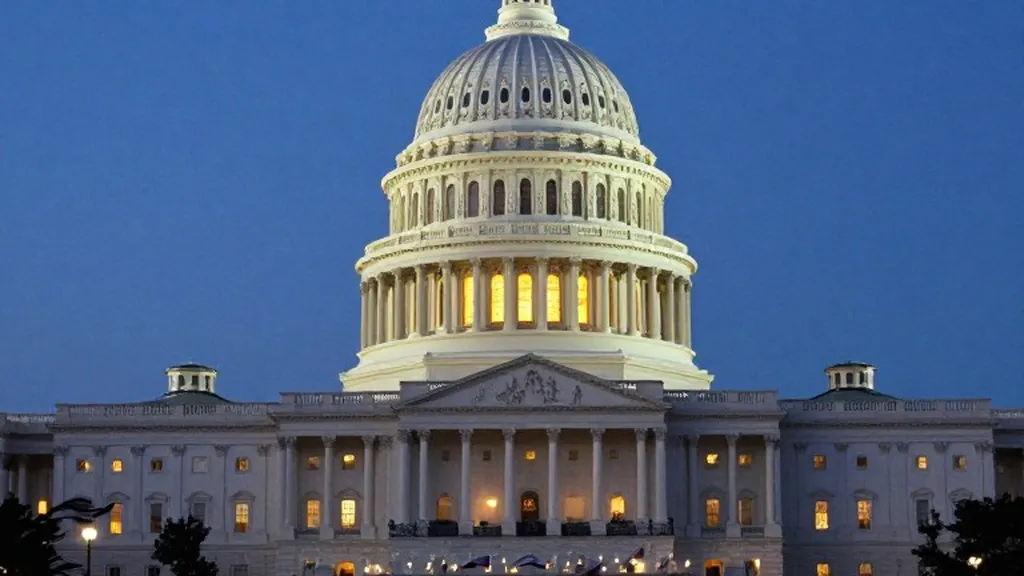
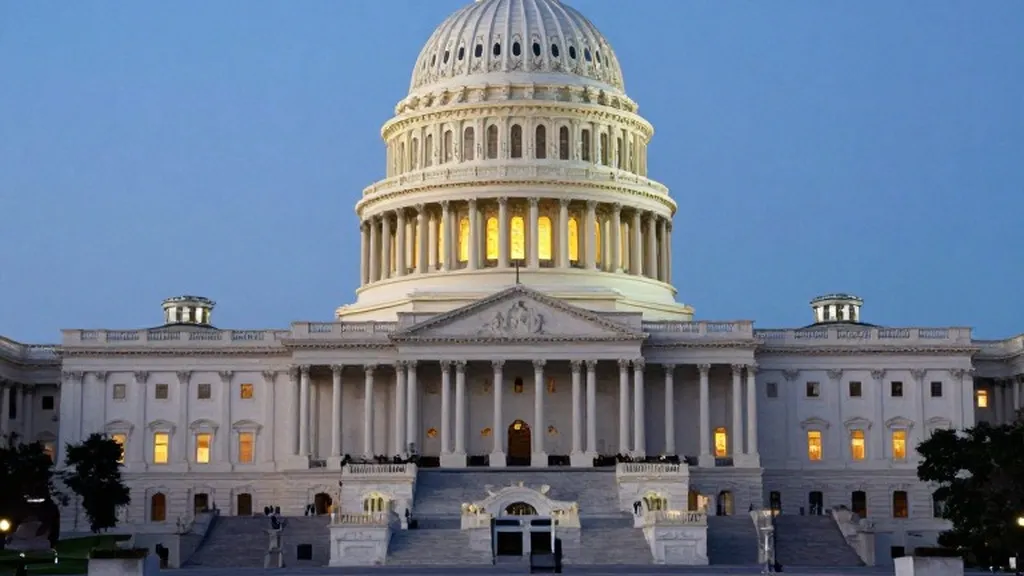
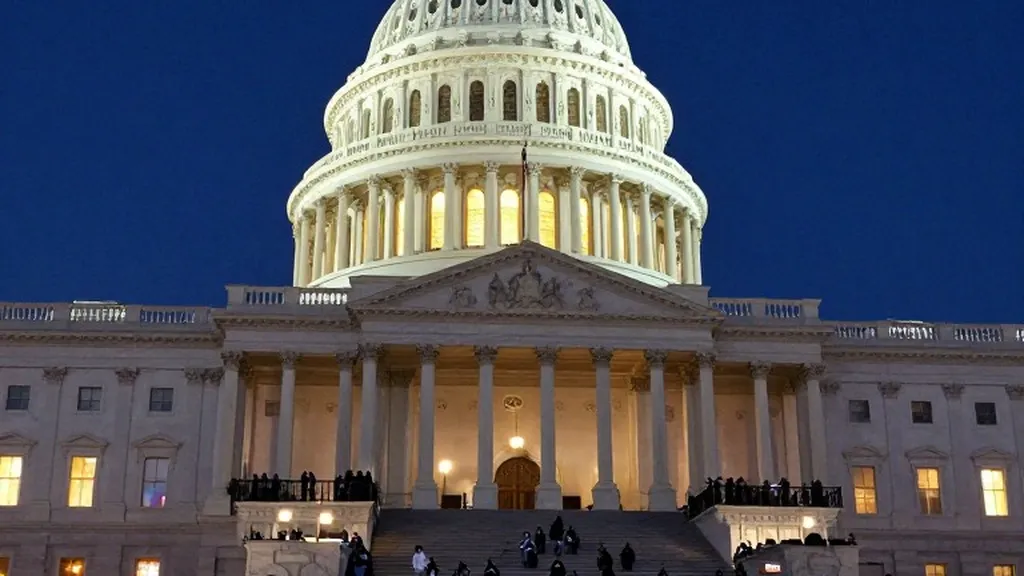
The promise has outlived its political purpose. On the night of November 3, 2026, voters handed Democrats control of both the U.S. House and the U.S. Senate, effectively ending the condition attached to President Donald Trump's $5,000 "Trump dividend" pledge. The Associated Press reports that Democrats won 238 House seats and 20 Senate seats, securing a majority in both chambers. This result stands in stark contrast to the scenario Trump outlined at the Republican Midterm Convention in Dallas, where he promised the check only if Republicans retained power in Congress.
"If the Republicans win, you win with us and you get $5,000," Trump told the crowd in Dallas. He named the initiative the Trump dividend, linking it directly to what he described as the nation's tremendous economic success. The president argued that the country was generating record revenue, particularly from tariffs, which would allow for such a distribution without burdening the budget. He compared the move to corporate shareholder dividends, suggesting that the government should share its financial windfalls with the public.
However, the mechanics of the promise were never fully detailed by the White House. PolitiFact noted that the administration had announced no formal plan for how Americans would receive these payments. The fact-checkers highlighted that the biggest payment in the trio of promised payouts is far from certain. While Trump cited tariff revenues as a potential funding source, lawmakers did not include a separate tariff dividend in the One Big Beautiful Bill Act that became law in 2025. This omission means the payment would first require specific congressional approval to fund.
Speaker Mike Johnson, R-La., addressed the logistical hurdles before the election results were final. Speaking on CNN and NBC, Johnson stated that congressional approval is needed for the payout. "I would assume, yes, he'd need Congress to act, and that's a creative idea," Johnson said. He pledged to work through the proposal, describing Trump as the big ideas president. Johnson committed that Congress would find consensus on the issue, a statement that carries new weight now that the chamber leadership has shifted to the Democratic side.
Despite Johnson's comments, Trump initially suggested the process might be simpler. In an interview, the president said he did not think Congress would need to authorize the payments, though he did not specify how he could spend more than $1 trillion without lawmakers' authorization. Later, while in Ireland, he told reporters the $5,000 checks were going to happen 100%. He maintained that the United States was taking in so much money that the payout would be easy to handle, a claim that fiscal experts have questioned in the context of the country's existing deficit.
The cost of the dividend is substantial. The U.S. Census Bureau estimates there are about 245 million U.S. Citizen adults, which would make the total cost of the checks approximately $1.2 trillion. This figure would add significantly to the country's nearly $1.8 trillion annual budget deficit. Erica York, a senior economist at the Tax Foundation, wrote that the cost would spend almost all the revenue that new tariffs are projected to bring in over a decade. She noted that the previous $2,000 tariff dividend checks promised in November 2025 never went out, a history that lends weight to the skepticism surrounding the larger $5,000 pledge.
Democratic leaders have already framed the election as a referendum on cost of living and government corruption. Sen. Chuck Schumer, D-N.Y., who is poised to return as Senate majority leader, said Americans want a cleanup of government corruption. He drew a direct contrast between the president's financial moves and the struggles of everyday families. "No American should have to make tradeoffs at the supermarket while Trump is making inside trades on the stock market," Schumer said. His remarks set the tone for the new majority's approach to oversight and spending, including potential scrutiny of the administration's payout initiatives.
The bipartisan criticism of the dividend was evident even during the campaign. Texas Congressman Chip Roy, a Republican, wrote on X that dependency is evil and soul-sucking in all its forms. Election law expert Rick Hasen of UCLA noted that while the promise is likely legal under the First Amendment as a campaign pledge, the president does not have the unilateral power to execute it. Hasen explained that a candidate can make such promises, but the execution requires legislative action. This legal distinction is now central to the debate over whether the checks will actually be issued.
PolitiFact's analysis of the trio of payments, which also included a $90 Medicare payment and a $500 Affordable Care Act refund, found that the $5,000 dividend faces the most obstacles. The fact-checkers pointed out that the White House press release provided no details on the delivery method or the specific funding mechanism beyond general references to economic success. The lack of a formal plan, combined with the shift in congressional control, leaves the fate of the Trump dividend in a state of uncertainty. The administration has not yet clarified how it will proceed with the promise given the new legislative landscape.
Voters who turned out in record numbers on November 3 did so with the cost of living and the Iran war at the forefront of their minds. Exit polls indicated that record Election Day diesel and gasoline prices helped push Americans toward Democrats. The Associated Press reported that about 8 in 10 voters said inflation has caused a severe or moderate financial hardship for their households. In this context, a $5,000 payment would be a significant relief for many families, but the political will to fund it now rests with a Democratic-controlled Congress that has vowed to scrutinize the administration's spending priorities.