Courts step in as postal service ramps up for mail ballot surge
Federal rulings pause administration efforts to segregate ballots in California and bar noncitizen voting, while the Postal Service adds staff to meet tight deadlines.
By Carolina Wood ·
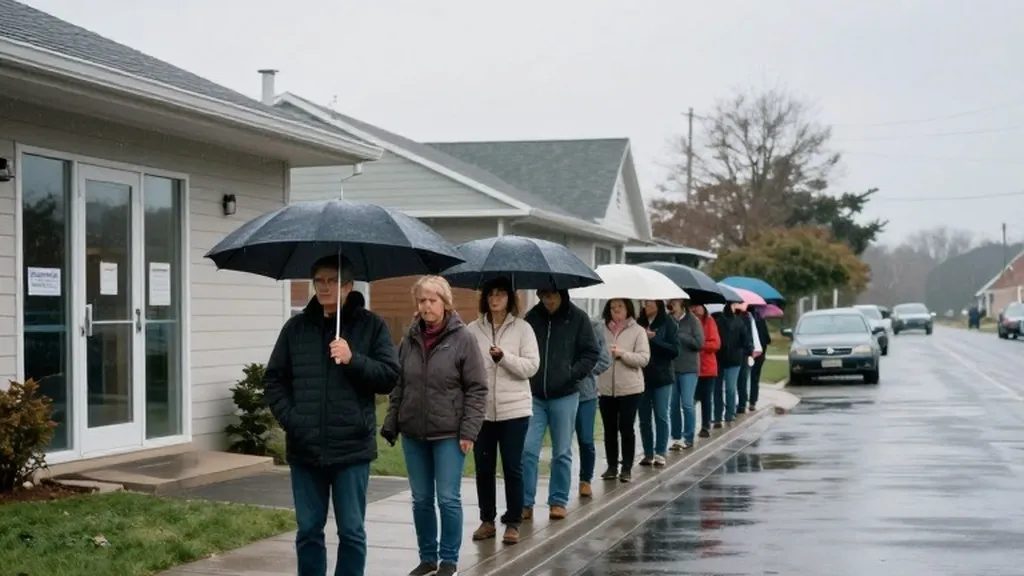
Voters across the country are heading to the polls on Tuesday, November 3, 2026, to decide the balance of power in Congress for the final two years of President Donald Trump's second term. The election is being framed by the Associated Press as a referendum on the administration, with many voters expressing frustration over high prices and an unpopular war with Iran. More than 57 million people had already cast their ballots as of Monday, surpassing early vote totals from four years ago in many closely watched states.
Legal battles have emerged at the center of the election administration, with federal courts intervening to pause executive actions that critics say could disrupt voting. On Monday, a federal judge temporarily barred the Trump administration from executing a plan designed to prevent noncitizen voting. Legal experts and Democratic officials argued that the initiative risked disenfranchising eligible voters and infringed upon the authority of states to manage their own elections. This ruling comes amid ongoing concerns about the administration's continued claims regarding voting fraud, including the assertion that noncitizens vote in large numbers.
In a related development, a judge ordered the administration on Monday to stop demanding that California election officials segregate ballots cast by individuals listed as suspected noncitizens. This specific order addresses a lawsuit filed by the administration in California, which Democrats feared could lead to interference or intimidation of local election officials. The Justice Department has threatened to prosecute local election officials, a move that has heightened tensions between the federal government and state-level election boards in several key states.
The administration also filed a lawsuit in Alaska related to the certification of the Senate result. These legal maneuvers are part of a broader strategy by the White House to scrutinize the election process. Critics argue that these actions are designed to create uncertainty and challenge the finality of results, while supporters view them as necessary safeguards against potential irregularities. The outcome of these lawsuits could have significant implications for how results are certified and accepted in the coming days.
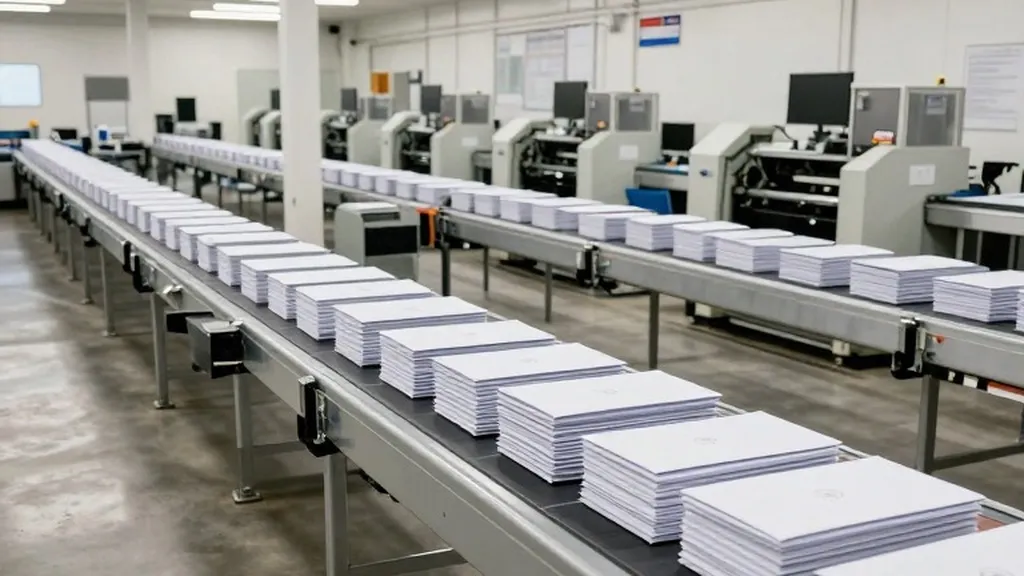
To ensure that mail ballots are counted on time, the U.S. Postal Service has implemented specific measures to handle the increased volume of mail-in votes. The agency added extra hours, staff, and special lines to process ballots efficiently. This logistical push is critical in states where a significant portion of the electorate votes by mail, including California, Colorado, Hawaii, Nevada, Oregon, Utah, Vermont, and Washington. Timely processing of these ballots is essential to reflect the will of voters who chose to mail their votes rather than vote in person.
The financial landscape of the 2026 elections is also a significant factor, as this cycle is likely to be the most expensive in history. Republican committees outraised and outspent Democratic committees, aided by Trump-affiliated groups and Elon Musk. At the candidate level, however, Democrats outraised their opponents. An analysis by the Associated Press of AdImpact data shows that 88.1 percent of Republican general election TV ad spending went to states and districts that Trump won in 2024. This includes more than $850 million spent in areas where he won by 10 points or more, indicating a heavy investment in holding the base.
The stakes of this midterm election are high, with all 435 U.S. House seats and 35 Senate seats up for grabs. Democrats need a net gain of three House districts to secure a majority, while Republicans can lose no more than two. In the Senate, Democrats need a net gain of four seats to take control, as Republicans can only afford to lose two. The outcome will determine which party holds the whip in Congress for the remainder of Trump's term, influencing oversight, investigations, and potential impeachment proceedings. House Democratic Leader Hakeem Jeffries, who would become the first Black speaker if Democrats win the House, has outlined a 100-day agenda focused on the cost of living and administrative oversight.
Beyond Congress, 36 governorships are on the ballot. Republicans currently hold a majority of governor's offices, a position they have maintained since 2010. Democrats are looking to flip at least two governorships to achieve a nationwide majority for the first time in two decades. Key battles are unfolding in states like Georgia, Nevada, and Ohio. In Georgia, Republican health care executive Rick Jackson is challenging Democratic former Atlanta Mayor Keisha Lance Bottoms. In Nevada, Republican Governor Joe Lombardo faces Democratic Attorney General Aaron Ford. In Ohio, Republican Vivek Ramaswamy is running against Democrat Amy Acton, a race that has drawn attention due to campaign advertising disputes.
The mood among voters is mixed, with many citing economic strain as their primary concern. Polling from the Associated Press and NORC indicates that 35 percent of U.S. adults approve of Trump's job performance, while only 25 percent approve of his handling of the economy. About seven in 10 respondents say the country is heading in the wrong direction. James Moore, a 57-year-old librarian in Raleigh, North Carolina, told reporters that he is paying more for taxes, health care, and everyday items. This sentiment is shared by many voters who see the election as a chance to signal a shift in direction for the country.
Wall Street is also watching the election closely, with Reuters noting that results could add to investor concerns about AI spending and debt ceiling negotiations. The outcome of the midterms will have far-reaching economic implications, affecting everything from regulatory policies to fiscal stability. As polls close in various time zones, from Hawaii to Alaska, the focus turns to the counting process and the legal battles that may follow. The Postal Service's added efforts and the court rulings on ballot segregation are key factors that will shape the immediate post-election landscape.