Breaking: Election Day is here! Make your selections: The cost of living and the war in Iran drive this historic vote
Voters across the nation head to the polls on Tuesday to decide the balance of power in Congress, with Democrats seeking a net gain to restore oversight and address soaring prices.
By Natalia Costa ·
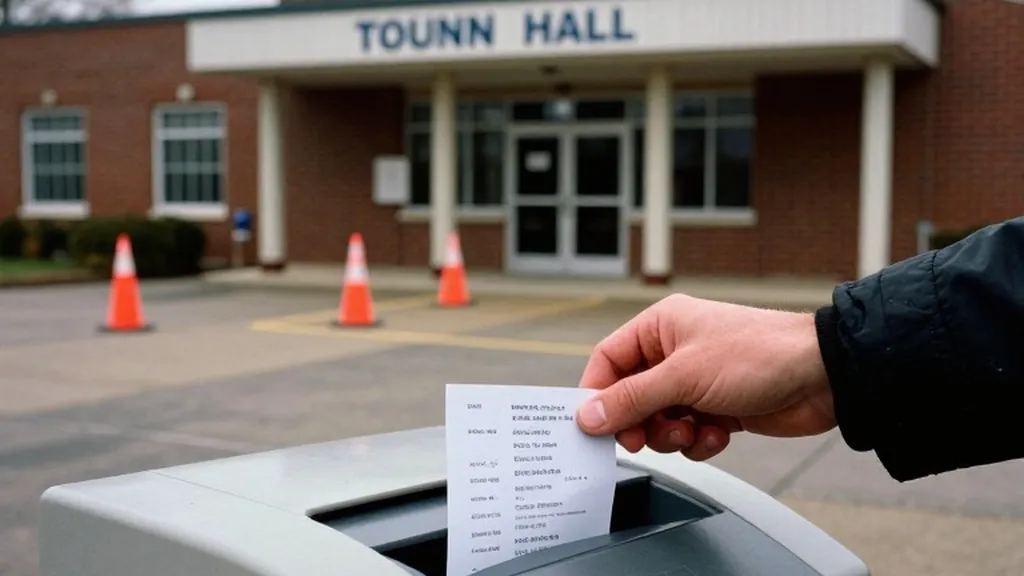
It is Election Day, Tuesday, November 3, 2026, and millions of Americans are casting their ballots to determine who will control Congress for the final two years of President Donald Trump's second term. This midterm election is being viewed as a referendum on the administration, with voters described as struggling with high prices and angry over an unpopular war with Iran. The stakes are high, as the results will dictate the legislative agenda and the potential for investigations into the executive branch. Polls are currently open across the country, and while early voting has been robust, the final outcome remains undecided.
The focus for many Democratic voters is on the tangible impact of the administration's policies on their daily lives. Rep. Suzan DelBene, the chair of the Democratic Congressional Campaign Committee, emphasized that the American people are angry and want change. Her message resonates with voters like James Moore, a 57-year-old librarian in Raleigh, North Carolina, who noted that he is paying more taxes, paying more for health care, and paying more for everything. For these voters, the election is a direct vote on the cost of living and the direction of the nation's economic policies.
If Democrats win even one chamber, investigations and possible impeachment proceedings become likely. House Democratic Leader Hakeem Jeffries has outlined a 100-day agenda focused on the cost of living and oversight of the administration. A strong performance by Democrats could also boost the profiles of potential 2028 candidates, including Gavin Newsom, JB Pritzker, and Pete Buttigieg, while potentially complicating the path for Vice President JD Vance. The party remains cautiously optimistic as they aim to break the historical pattern where a president's party loses seats in midterm elections.
However, Democrats face significant obstacles. Republican committees have outraised and outspent their Democratic counterparts, aided by Trump-affiliated groups and significant support from Elon Musk. Analysis of advertising data shows that a vast majority of Republican general election TV ad spending has gone to states and districts that Trump won in 2024. Additionally, new congressional maps in six states, including California, Florida, and Texas, have altered the competitive landscape. There are 46 battleground districts in the House and 13 key Senate races that could determine control of the chambers.
In the Senate, Democrats need a net gain of four seats to secure a majority, while Republicans can afford to lose only two. The Associated Press highlights several critical matchups, including the race in North Carolina where former Governor Roy Cooper faces Michael Whatley, and the contest in Georgia where Senator Jon Ossoff is running against Representative Mike Collins. In Michigan, Abdul El-Sayed is competing against Mike Rogers, a race that has seen shifting endorsements and intense local campaigning. These races are pivotal because they could tip the balance of power in the upper chamber.
The governor's races are also crucial, with 36 offices up for grabs. Democrats are hoping to hold a majority of governorships for the first time in two decades. Key contests include the race in Georgia between Rick Jackson and Keisha Lance Bottoms, and the Ohio race featuring Vivek Ramaswamy and Amy Acton. The Associated Press notes that Republicans have held a nationwide majority of governorships since 2010, making a Democratic shift a significant achievement that would provide a foothold for policy changes at the state level.
Administrative challenges have added to the complexity of this election day. A federal judge temporarily barred the Trump administration from implementing a plan to prevent noncitizen voting, a move critics argued could disenfranchise eligible voters. The administration also faced an order to stop demanding that California officials segregate ballots cast by suspected noncitizens. These legal battles have raised concerns about interference and intimidation, particularly as the Justice Department threatens to prosecute local election officials. Despite these hurdles, the U.S. Postal Service has added hours and staff to ensure mail ballots are counted on time.
Voter turnout has been a major factor in the pre-election period. More than 57 million people had already voted as of Monday, surpassing the early vote totals from four years ago in many closely watched states. This high level of early participation suggests that the final result may depend heavily on the margin of victory in specific districts rather than a landslide in either direction. One or two seats could tip either chamber, making every vote count in the final tally.
For those voting today, it is essential to know the procedures and locations. According to USA.gov, voters can find their polling place at vote.gov or their state election office. It is important to check specific ID rules, as they vary by state. For example, polls in North Carolina are open from 6:30 a.m. To 7:30 p.m., while in Ohio they are open from 6:30 a.m. To 7:30 p.m. In California, polls are open from 7 a.m. To 8 p.m., though the state largely relies on mail voting. Voters in New York have until 9 p.m., while those in Florida must vote between 7 a.m. And 7 p.m.
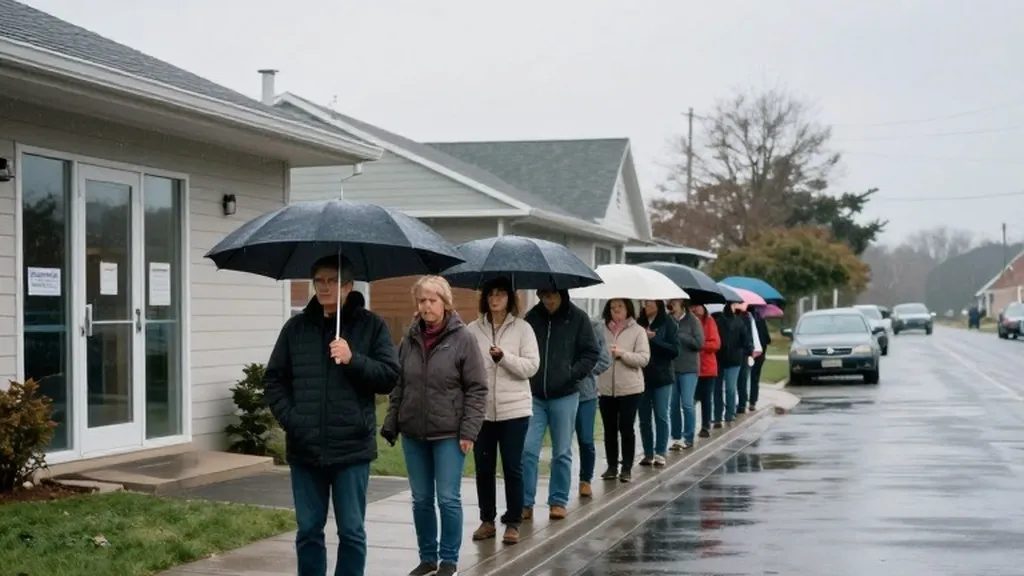
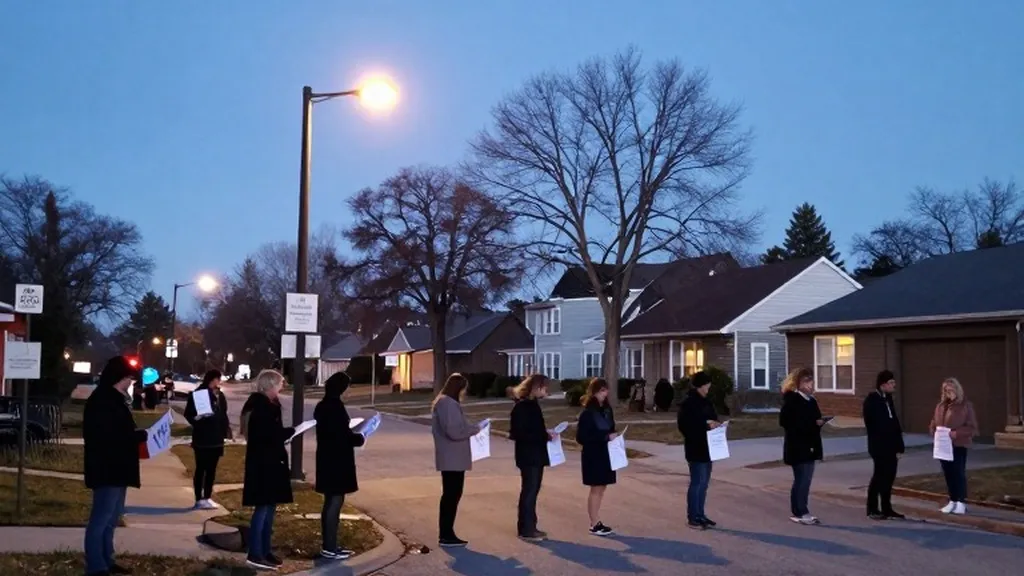
One critical rule for all voters is that anyone in line when polls close is entitled to vote. This provision ensures that late arrivals are not turned away, which is particularly important in states with long lines. Voters are encouraged to arrive early to avoid delays, but those who find themselves in line at closing time should stay. The Associated Press suggests that voters remain informed about their specific local rules, as some states have unique requirements for voting methods and identification.
The mood among Democratic figures is one of determination. DelBene's comments reflect a party that sees this election as a chance to reset the national agenda. The focus on health care and the cost of living is a direct response to the concerns of voters like James Moore in Raleigh. The party is also looking to leverage the unpopularity of the war in Iran to drive turnout in key districts. The Associated Press notes that while Republicans are bracing to lose the House, they are fighting hard to hold the Senate, making the day's outcome a true test of voter sentiment.
As the day progresses, the nation will watch for early signals from key states. Reuters notes that Wall Street is also paying close attention, as the results could influence investor confidence regarding AI spending and debt ceiling negotiations. The economic implications of the election extend beyond politics, touching on markets and national fiscal policy. This adds another layer of significance to the votes being cast today, as Americans decide not just their representatives, but the economic direction of the country.
In the end, the day is about the choices voters make at the ballot box. Whether they vote in person or by mail, the process is designed to ensure that every eligible citizen has a voice. The Associated Press describes the election as a moment of national reckoning, with the outcome hinging on turnout and the specific dynamics of each race. As polls close across the country, the focus will shift to the counting process, but for now, the power lies with the voters. The stakes are clear: control of Congress, the direction of the administration, and the future of the American economy.