Democrats seize both chambers in historic midterm sweep
Voters delivered a decisive rebuke to the president's party, giving Democrats control of the House and Senate with immediate implications for oversight and the national agenda.
By Carolina Wood ·
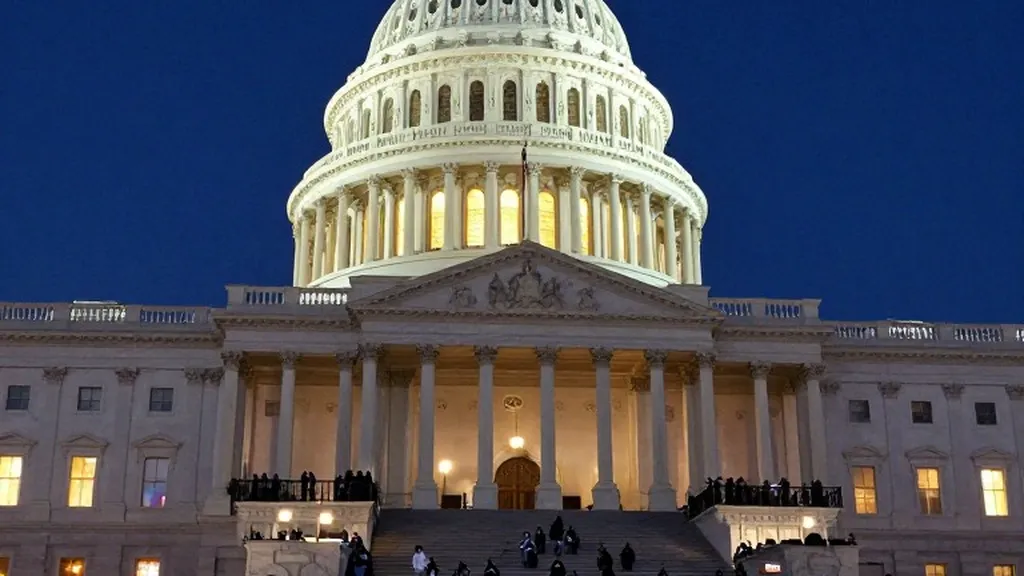
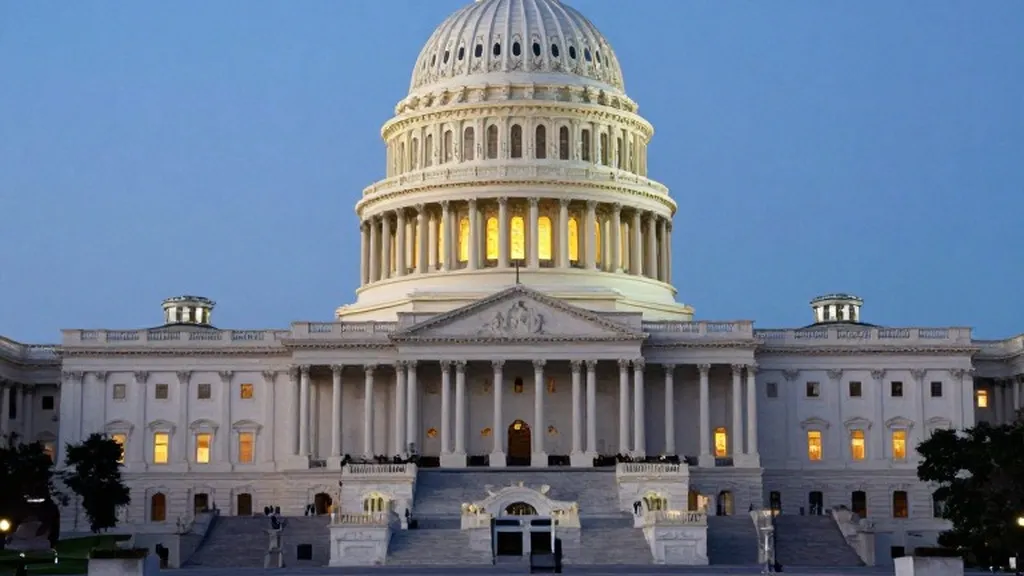
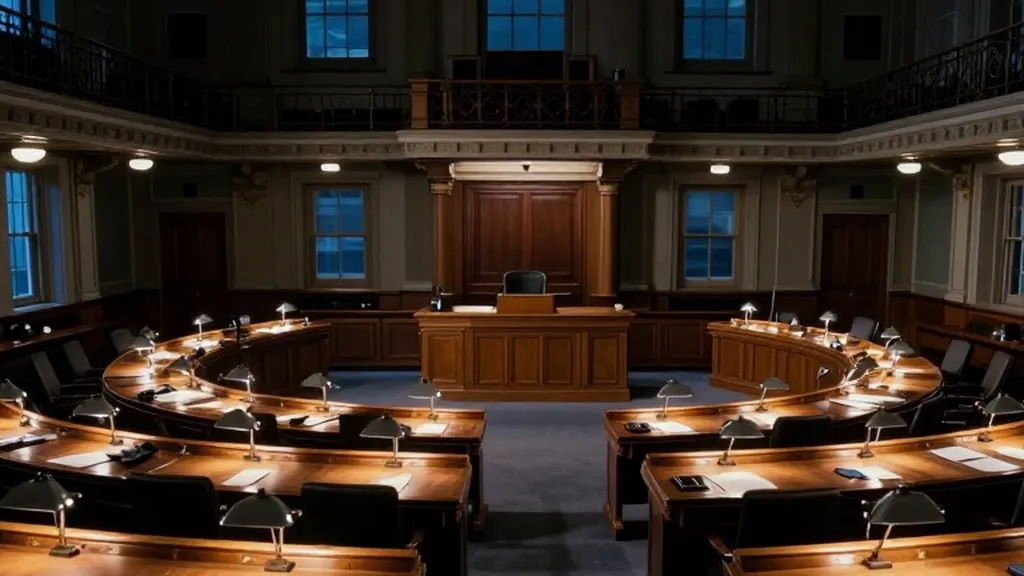
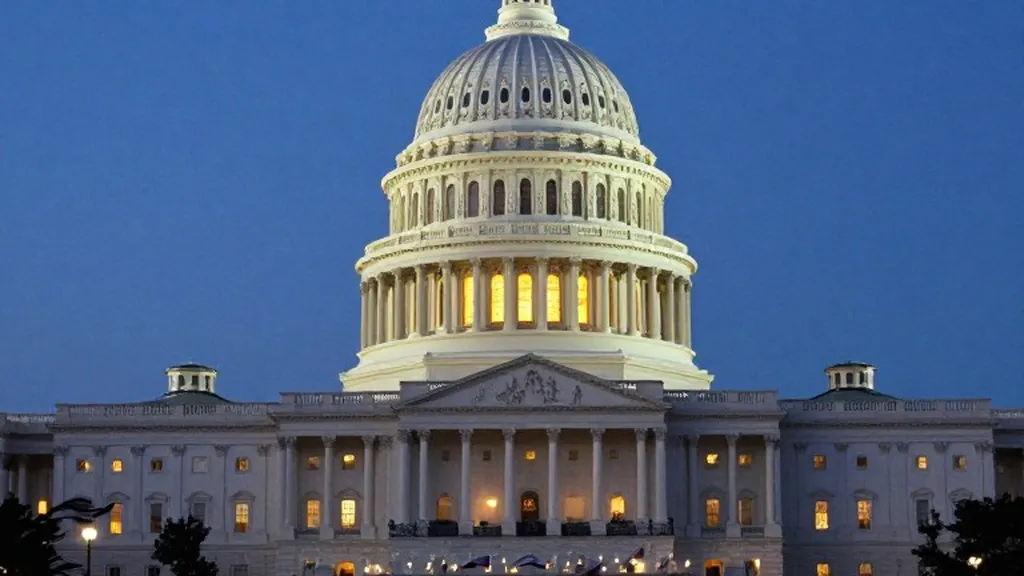
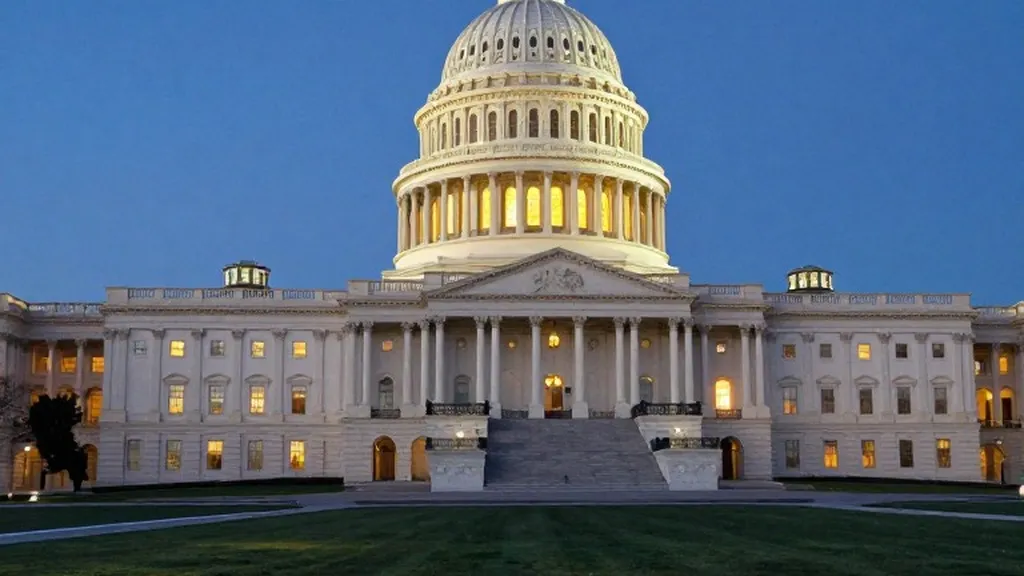
Washington is preparing for a sharp change in power as Democrats have secured majorities in both the U.S. House and the Senate following Tuesday's midterm elections. The results mark a significant shift in the balance of power in Congress, with Democrats gaining at least 43 House seats and seven Senate seats. This outcome ends Republican control of both chambers and places the Democratic Party in a position of unprecedented legislative influence in the coming two years.
The victory was driven by widespread dissatisfaction with the current administration, particularly regarding the cost of living and the ongoing conflict in Iran. According to the AP Voter Poll, about three-quarters of voters described the national trajectory as angry or dissatisfied. Three-quarters of voters rated the economy as not so good or poor, with about eight in ten stating that inflation has caused moderate or severe financial hardship for their households. These economic concerns were cited as crucial by roughly half of voters, surpassing other issues like immigration enforcement and artificial intelligence data centers.
In the U.S. House, Democrats will hold at least a 250-157 majority, with 28 races still uncalled as of 4 p.m. ET on November 6. In the Senate, Democrats have won at least 20 of the 35 seats on the ballot, securing a 54-44 majority. Seven Senate seats changed party control, including historically Republican states such as Kansas, North Carolina, Ohio, South Carolina, and Texas. This net loss of seven seats for the president's party places the election in the top 20% of midterm years in terms of seat swings, a threshold often defined as a wave election.
The shift extends beyond the federal level, with Democrats winning a majority of governorships for the first time since before the 2010 elections. As of the latest reports, Democrats have won 22 of the 36 gubernatorial races, while Republicans have secured 12. Five governorships changed party control from Republican to Democratic. Additionally, Democrats have won 46 of the 88 state legislative chambers on the ballot, establishing control in 20 state trifectas compared to 16 for Republicans.
Rep. Suzan DelBene, chair of the Democratic Congressional Campaign Committee, described the electorate as angry and in need of change. She noted that momentum was on her party's side, citing the strong turnout and the clear mandate for oversight. The new Congress is expected to begin its work on January 3, 2027, with immediate focus on checking the executive branch and addressing the issues that drove voters to the polls.
The Republican Party's significant losses were notable given their substantial financial advantage. OpenSecrets reported that outside groups and independent committees spent at least $2 billion in the Senate race alone. Republican-affiliated groups spent roughly 60% more than Democratic-aligned groups, but this expenditure did not prevent them from losing at least seven Senate seats. Elon Musk also spent nearly half a billion dollars on the election, a record expenditure that yielded limited results for the president's closest ally.
President Donald Trump has acknowledged the transition, announcing a major reshuffle of his White House staff in response to the defeat. On Friday, he replaced longtime adviser Susie Wiles with Stephen Miller as the next chief of staff. Miller is known for his hardline stance on immigration, a policy area that became a liability for the administration after two years of mass enforcement actions. This move signals a potential shift toward a more aggressive agenda under the new congressional majority.
The president also made headlines by offering the position of White House press secretary to UFC boss Dana White. Trump posted on social media that he made the offer to the Great Dana White, a violent Fighter and Warrior, asking him to bring along several UFC fighters as assistants to defend against the Lunatic Left. The White House did not immediately confirm the offer, and the post came amid a period of major transition following the brief tenure of interim press secretary Katie Zacharia.
In the state of Mississippi, Democrat Scott Colom is on the cusp of a historic victory. He is poised to become the first Black senator from the Deep South state since the post-Civil War Reconstruction era. The race remains too close for the Associated Press to call, but Colom stated that ballots tallied since Tuesday lean in his favor. He welcomed the possibility of this historic shift, noting that it reflects the changing face of political leadership in the state.
The new Democratic majority in Congress is expected to prioritize oversight of the administration's actions, including the Iran war and domestic spending. Rep. Richard Neal, who is expected to regain the chairmanship of the House Ways and Means Committee, stated his commitment to reversing President Trump's unjustified tariffs and backroom deals on trade. The Senate's new control will also provide Democrats with more leverage to block executive orders and confirm or reject key administration nominees.
As the dust settles on election night, the focus turns to the January 3 start of the new Congress. The Democratic leadership faces the challenge of unifying their party's diverse views on how far to go in checking the president's power. Despite internal disagreements, the clear mandate from voters provides a strong foundation for the new congressional majority to begin its work.