Democrats Flip House Control in Narrow 218-214 Victory Despite Redistricting
A three-seat margin in the House of Representatives gives Democrats the majority after a contentious cycle marked by new maps in seven states and a significant Republican spending advantage.
By Natalia Costa ·
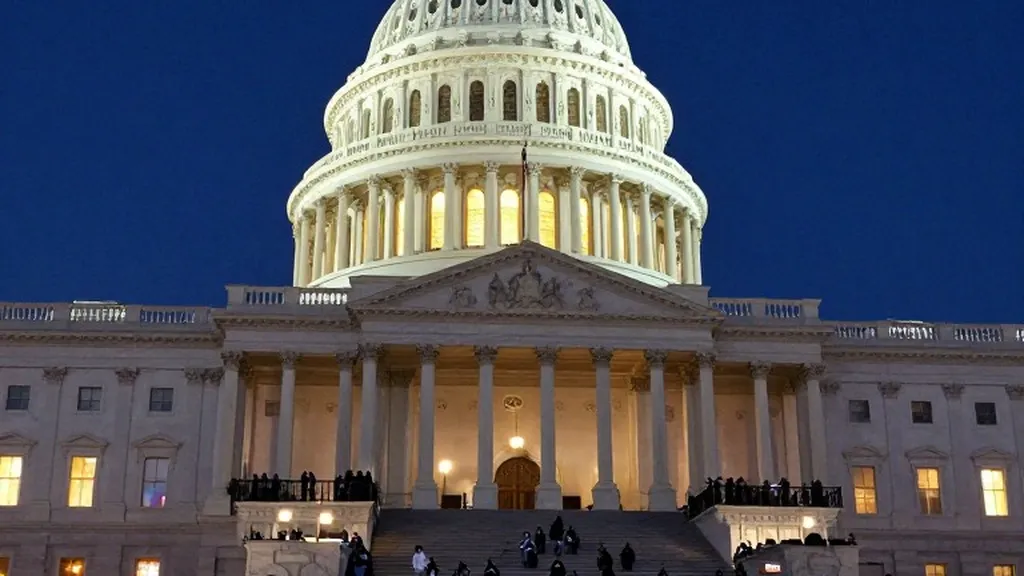
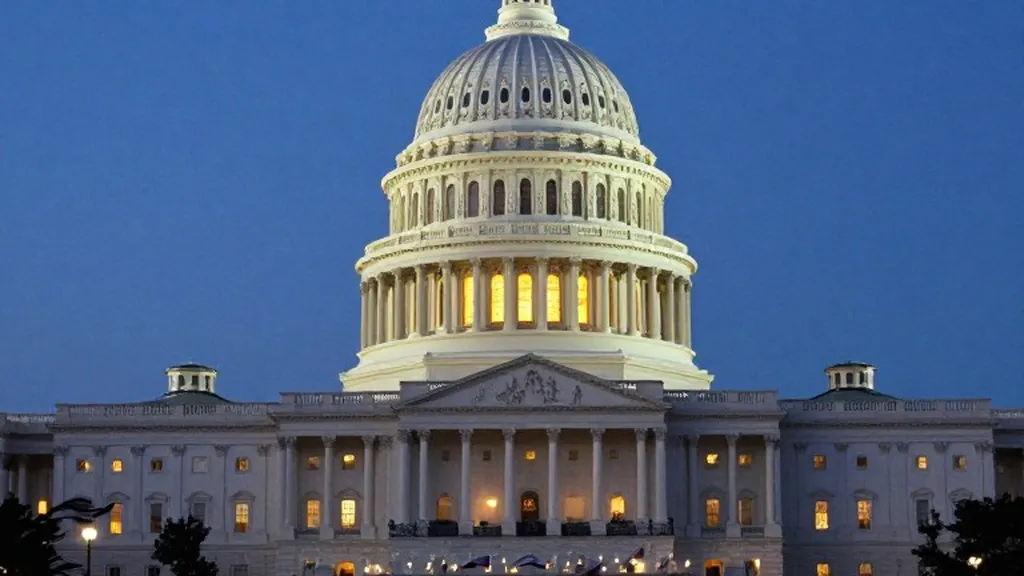
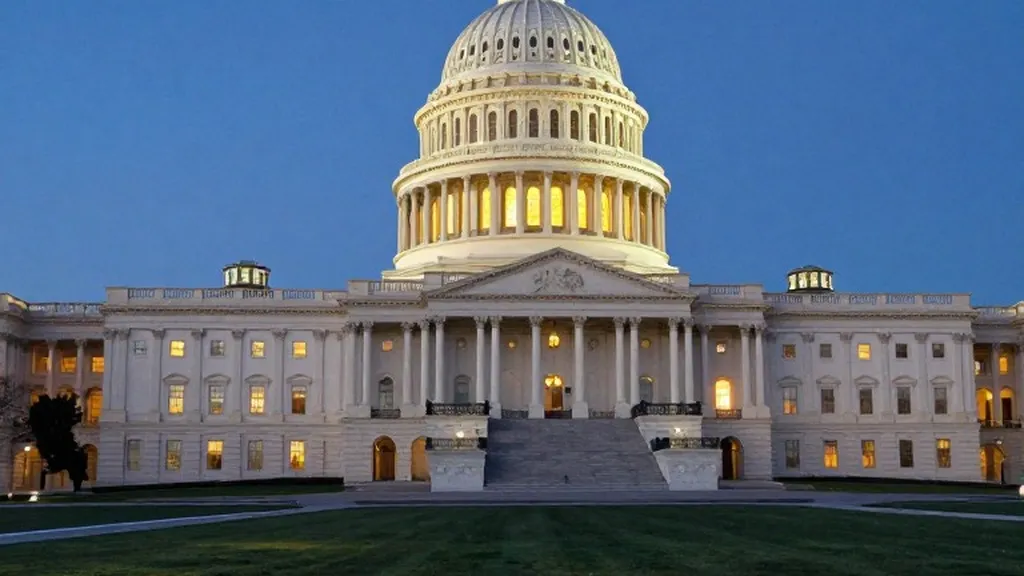
The 2026 midterm elections have concluded with Democrats securing a narrow majority in the U.S. House of Representatives. As of 4:00 PM ET on November 6, 2026, Democrats had won 248 seats while Republicans held 150, with 37 races still uncalled. This result grants Democrats control of the chamber, a shift from the 220 to 215 majority Republicans held following the 2024 elections. The margin is remarkably thin, with Democrats holding a three-seat advantage over the 218 seats required for a majority.
Democrats needed to gain a net of three districts to win a majority in the 2026 elections. Before the vote, Republicans could lose no more than two districts to retain their majority. The final tally shows that Democrats met this threshold, flipping control of the lower chamber. This outcome is particularly notable because the new maps were widely seen as favoring the Republican Party, making the shift a significant deviation from pre-election expectations.
The House race was fought across all 435 seats, with 46 districts identified as battleground races by Ballotpedia. These battlegrounds represented 12 percent of the total seats. Democrats held 25 of these competitive districts, while Republicans held 21. The intense competition in these areas contributed to the close final margin, as voters in these districts played a decisive role in determining the chamber's control.
Redistricting played a central role in the dynamics of this election. Seven states used different congressional maps for the 2026 election than they did in 2024. California, Florida, Missouri, North Carolina, Tennessee, and Texas voluntarily underwent mid-decade redistricting. Ohio used a different map due to state law, while Alabama, Louisiana, and Utah changed their maps due to litigation. These new lines altered the competitive landscape for many candidates.
Despite the change in maps, Democrats managed to overcome structural obstacles. Republicans held a significant money advantage in the race for the House. According to OpenSecrets, the 2026 midterm elections are expected to be the most expensive in history. In the Senate race, outside groups spent at least $2 billion, with Republican-affiliated groups spending roughly 60 percent more than Democratic-aligned groups. This financial disparity did not prevent Democrats from gaining seats, suggesting that voter dissatisfaction outweighed the spending edge.
Voters cited high prices and the war in Iran as primary reasons for their votes. The AP Voter Poll indicated that three-quarters of voters said the economy was not so good or poor. About eight in 10 voters stated that inflation had caused a severe or moderate financial hardship for their households. These economic concerns drove turnout and influenced the results in both safe and competitive districts.
Government corruption was also a crucial issue for many voters. Roughly half of the electorate cited corruption and the cost of living as crucial to their vote for Congress. These issues ranked higher than immigration enforcement policies, the war in Iran, and AI data centers in terms of importance to voters. The perception that the administration had focused on other priorities contributed to the shift in the House.
The new House leadership will face immediate challenges in overseeing the administration. Democrats will hold the majority, allowing them to control the agenda and conduct hearings. This shift marks a significant check on the executive branch, which had previously operated with Republican control of both chambers. The new majority will likely prioritize investigations into the administration's actions and spending.
Uncalled races remain in eight districts previously held by Democrats and 29 previously held by Republicans. As these results are tallied, the margin could shift slightly, but the current count confirms Democratic control. The close nature of the election underscores the importance of the 46 battleground districts, where small differences in turnout and campaign spending had a large impact on the final outcome.
The election results in the House reflect a broader trend of Democratic gains in 2026. While the Senate also shifted to Democratic control, the House margin was tighter. The three-seat difference means that the chamber will be highly sensitive to future defections or changes in membership. The new maps in seven states will continue to influence the political landscape in the coming years, providing a new baseline for future elections.