Democrats Take Control of Both Chambers as Trump Redistricting Plan Fails
Voters rejected the president's party in a sweeping wave, giving Democrats a majority in the House and Senate and dismantling the Republican map-drawing strategy.
By Thomas Obasi ·
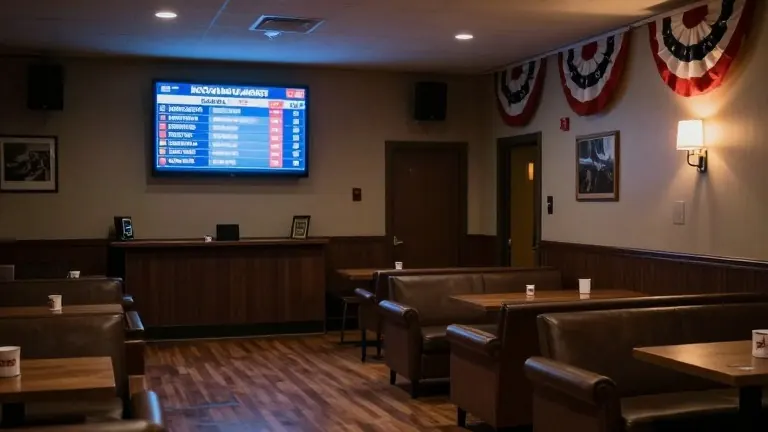
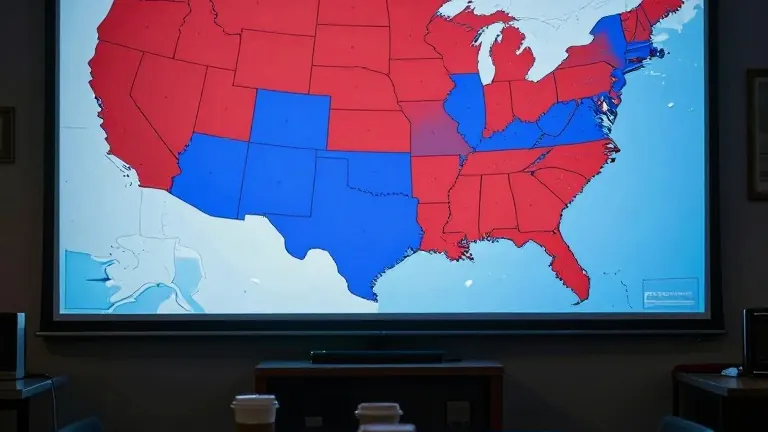
Democratic leaders are claiming a decisive victory as early results show a takeover of both chambers of Congress. According to Ballotpedia, Democrats have won 20 of the 35 Senate seats called so far, with seven changing hands from Republican to Democratic control. In the House, the party has secured 228 seats against 138 for Republicans, with 69 races still pending. This result grants Democrats a net gain of seven seats in the Senate and 27 in the House, securing a comfortable majority in both bodies for the 119th Congress.
The shift marks a sharp reversal of the political landscape established just two years ago. Republicans held a slim 53-47 majority in the Senate and a 220-215 advantage in the House before Tuesday’s vote. The Associated Press reports that voters rejected the president’s party for the promise of something different, driven by deep dissatisfaction with the economy and the ongoing war with Iran. The AP Voter Poll indicates that three-quarters of voters feel angry or dissatisfied with the country’s current trajectory, a sentiment that fueled the turnout for Democratic candidates.
President Donald Trump had urged Republicans in eight states to redraw congressional district boundaries in an attempt to gain a significant edge for the midterm election. The strategy aimed to help the GOP hold onto a slim House majority by flipping targeted Democratic seats. However, the plan failed to deliver the expected results. Republicans lost most of the Democratic-held seats they had targeted and were swept out of power by a surge in Democratic support that overwhelmed the structural advantages of the new maps.
In Texas, the redistricting effort focused on the Rio Grande Valley, where Republicans reconfigured three heavily Latino districts. The goal was to unseat Democratic Representatives Henry Cuellar and Vicente Gonzalez. Both incumbents won reelection. Democrats instead unseated Republican Representative Monica De La Cruz, whose district was sandwiched between theirs. The AP Voter Poll suggests a substantial shift in Hispanic voting, with about one-third of Hispanics backing the Republican in their local House race, compared to roughly four in ten who voted for Trump two years ago.
Florida also saw the redistricting plan falter. Democrats retained seats that Republicans had reshaped for an advantage. Representative Jared Moskowitz won reelection in Florida’s 25th Congressional District despite spending by opponents. He stated that voters were most concerned about the economy and their ability to afford a good quality of life. Kathy Castor also won reelection in a district where about two-thirds of voting-age residents were new to the area. Pia Dandiya won an open seat in southern Florida that had been redrawn by Republicans.
About six in ten voters disapprove of how Trump is handling the presidency. This negative perception undercut the presumed safety of the new Republican districts. Justin Levitt, a professor at Loyola Law School, noted that it was foolish to presume the electorate would remain static in a time of radical swings in public opinion. The poll also indicated that views of Trump’s priorities were mostly negative, with two-thirds of voters saying he does not have the right priorities. These voters overwhelmingly supported Democratic House candidates.
Vice President JD Vance publicly broke from the president’s defense of the Iran war after the losses. In a social media post, Vance blamed the unpopular conflict for the GOP’s drubbing, asking if losing the Senate for six years was worth the war. Trump defended the decision, stating that the Iran thing had to be done. The AP Voter Poll found that about six in ten voters said the U.S. Made the wrong decision in taking military action against Iran. Only about one-third of voters said the war was crucial to their vote for Congress, below the cost of living and government corruption.
Democratic leaders are already outlining a legislative agenda focused on cost of living and oversight. House Democratic Leader Hakeem Jeffries, who is expected to become the first Black speaker of the House, said the party will work to deliver on the dramatic change voters deserve. The party plans to tackle high gas and grocery prices and reverse cuts to the Affordable Care Act and Medicaid. They are also preparing a robust oversight agenda to hold the administration accountable, with impeachment remaining an option for the president or his cabinet members.
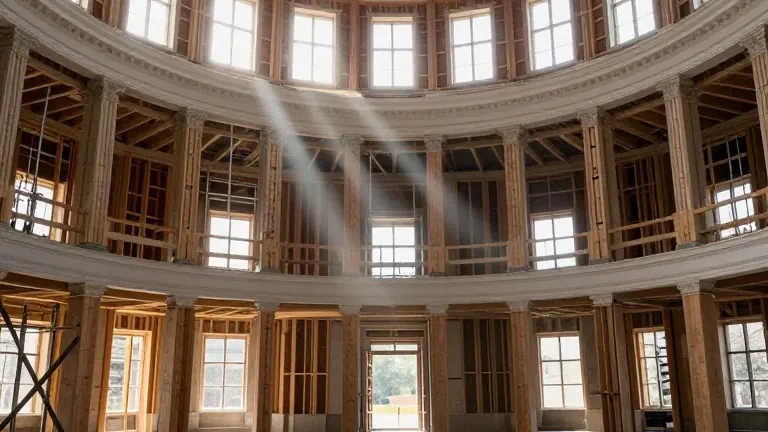
Trump acknowledged the impact of the war on the election results but continued to deflect blame for the party’s losses. He told reporters that if he were on the ballot, he would have won. The president also justified his focus on building a sprawling White House ballroom, speaking to reporters for nearly 20 minutes without mentioning the sweeping Republican defeats. He suggested that the rallies he held leading up to the election featured a lot of love from supporters that they were unable to transfer to the candidates on the ballot.
Republicans are facing a reckoning as they prepare for a lame-duck session. House Speaker Mike Johnson will not seek reelection as House Republican leader, according to people familiar with his plans. The party’s shriveled numbers will force them to figure out what went wrong in a cycle where they lost control of both chambers. The results present a fundamental reshaping of power in Washington, with new opportunities and challenges for governing in a divided government where Congress is poised to reassert itself as a coequal branch.
The Democratic sweep has also extended to state offices, with the party winning a majority of governorships for the first time in two decades. Ballotpedia reports that Democrats have won 22 of the 36 gubernatorial races called, with five changing party control to Democratic hands. This gives Democrats a stronger defense against the president’s agenda at the state level. The party now controls a significant portion of state financial officers and attorneys general as well, setting the stage for a comprehensive challenge to the administration’s policies over the next two years.