Democrats Seize Both Chambers, Setting Stage for New Congressional Power Shift
With over 124 million ballots cast, the party switch hands in January as leadership votes and presidential negotiations take center stage.
By Carolina Wood ·

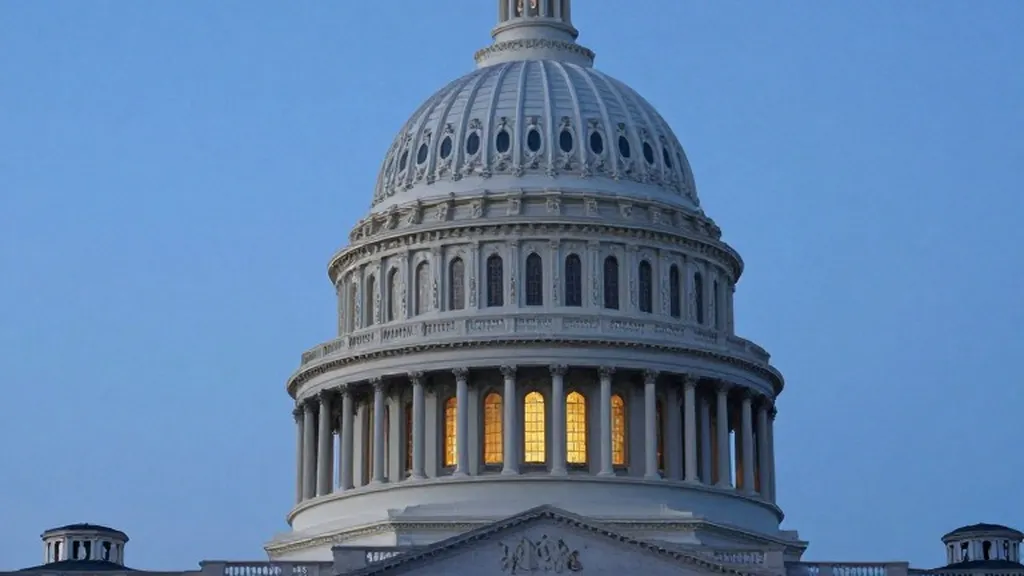
The balance of power in Washington will flip in January. Democrats now hold majorities in both the House and Senate following Tuesday’s midterm elections, a shift secured by victories in traditionally Republican territories. The new leadership team will begin its term on Jan. 3, gaining the institutional leverage to scrutinize the executive branch and shape legislative priorities.
As of Wednesday morning, the Democratic surge had claimed seven Senate seats and dozens of House districts. Surprises emerged in Texas and South Carolina, where Democrats captured seats long held by Republicans. The University of Florida Election Lab reported that more than 124 million ballots had been cast by that count. This figure exceeds the previous midterm high of nearly 119 million set in 2018, indicating a high level of voter engagement across the nation.
Two Senate races remain in the undecided column. Officials in Mississippi and Alaska described their contests as too close to call on Wednesday. Until those final counts are certified, the exact margin of the Senate majority remains fluid. The incoming Democratic bloc will use its new standing to investigate administration policies and review pending executive nominations.
President Trump reacted to the results with a mixed public posture. During an election-night appearance on Fox News, he acknowledged the efforts of Democratic candidates. In a separate phone interview with Politico, he attributed Republican turnout challenges to his own absence from the ballot. He also shared an image of a red cap featuring the word VETO, signaling his intent to use his rejection powers against the new congressional agenda. Despite these moves, he indicated a readiness to negotiate with the incoming leadership.
Internal party battles will determine the final structure of the new leadership. Sen. Chuck Schumer of New York and Rep. Hakeem Jeffries of New York currently head their respective party caucuses. Both men require the support of their colleagues to maintain their positions. Jeffries faces an additional hurdle: he must win a vote from the full House to become speaker. A victory would make him the first Black person to hold that office.
Former House Speaker Nancy Pelosi has publicly backed Jeffries. Her endorsement adds weight to his candidacy as the party prepares for the Jan. 3 session. The Democratic leadership must finalize its internal hierarchy before the new Congress convenes. The path forward now depends on these procedural votes and the subsequent negotiations between the new Congress and the White House.