Trump's $5,000 'Dividend' Fades as Democrats Sweep Congress in Midterm Rout
The president's Dallas pledge of cash for keeping GOP control is now moot as the Associated Press confirms a historic Democratic takeover, raising questions about the strategy's cost and intent.
By Carolina Wood ·

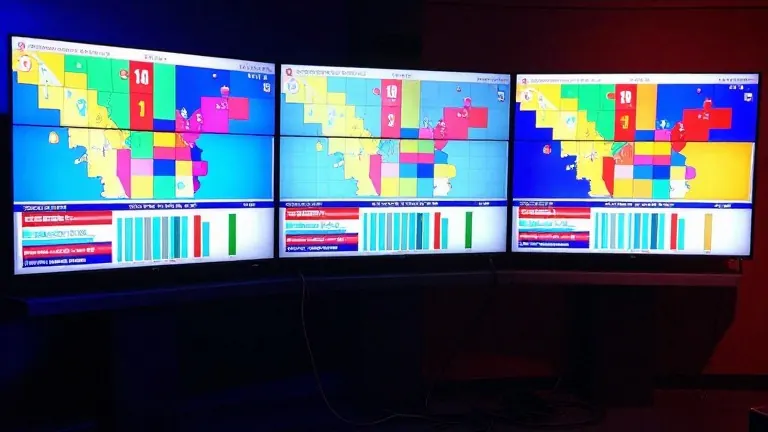
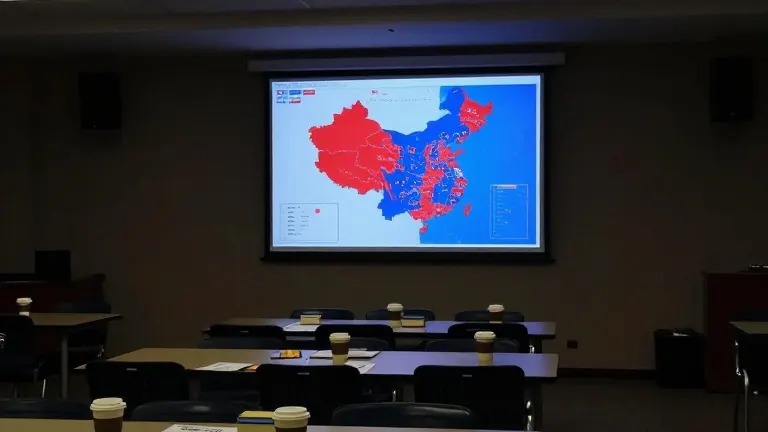
President Donald Trump’s high-stakes promise to send $5,000 checks to every adult American if Republicans maintained control of Congress has effectively evaporated following a historic Democratic victory in the 2026 midterm elections. The Associated Press reported that Democrats won a sweeping majority in both the House and Senate, ending the GOP’s grip on the chambers. This result renders the conditional nature of the 'Trump Dividend' moot, as the specific political outcome required to trigger the payments did not occur. The pledge, made during a campaign rally in Dallas, is now a focal point for scrutiny regarding its strategic intent and financial feasibility.
During the Republican Midterm Convention in Dallas, Trump addressed a large crowd to outline the terms of the proposal. He stated that if Republicans won the House of Representatives and the United States Senate, he would issue a dividend to every adult citizen in the United States of America for $5,000. The president described the move as a reward for voters, saying, 'If the Republicans win, you win with us and you get $5,000.' He framed the payment as a direct result of what he called tremendous economic success, comparing the government’s distribution of funds to a successful company distributing cash to its shareholders.
The proposal faced immediate scrutiny from fiscal experts and political analysts who questioned the source of the funding. PolitiFact found that the biggest payment is far from certain, noting that the administration announced no formal plan for the checks. The payment could cost the federal treasury more than $1 trillion, a sum that would place further strain on the country's existing budget deficit. Erica York, a senior economist at the Tax Foundation, noted that the cost of the checks would spend almost all the revenue that new tariffs are projected to bring in over a decade. The Tax Foundation estimated that Trump’s tariffs would generate about $208 billion in revenue in 2026, a figure significantly lower than the total cost of the dividend.
Speaker Mike Johnson, who led the House Republicans during the campaign, indicated that congressional approval would be necessary to make the payments a reality. In a statement following the promise, Johnson said he would assume the president needed Congress to act and described the idea as creative. He pledged to work to get the proposal through Congress despite a small Republican margin, stating, 'We're going to try to implement everything we can.' However, with Democrats now holding the majority in both chambers, the legislative path for the dividend has become significantly more complex, requiring the new Democratic leadership to either support the measure or reject it.
The promise drew bipartisan criticism before the election results were finalized. Some Republicans questioned the price tag and the precedent it set. Texas Congressman Chip Roy wrote on social media that dependency is evil and soul-sucking in all its forms. Democratic leaders pointed to the proposal as an example of the administration’s focus on large-scale spending while voters struggled with the cost of living. The Associated Press noted that voters were angry over rising prices and the war in Iran, issues that the dividend did not directly address. Critics argued that the payment was an attempt to buy votes in a tight election, a tactic that has become more common in modern politics.
Election law experts suggested that the promise was likely legal, even if it was financially ambitious. Rick Hasen, a professor at UCLA Law School, stated that Trump would have a strong First Amendment defense if a state tried to prosecute him for the promise. Hasen compared the dividend to other campaign promises, such as tax cuts or healthcare expansions, noting that as long as the promise is public and given to every voter, it is part of standard campaign rhetoric. He said the courts would likely view the activity as protected speech, similar to a candidate promising to lower salaries or increase benefits if elected.
The Democratic sweep has shifted the dynamic of the dividend proposal from a conditional reward to a legislative challenge. House Democratic Leader Hakeem Jeffries, who is expected to become the first Black speaker of the House, told supporters that the party is ready to deliver on the dramatic change voters demanded. The new Democratic majority will have the power to vote on the dividend, though the president still holds the power of the veto. Trump has already warned of gridlock ahead, suggesting he could use his veto power to strike down Democratic agendas. This sets up a potential clash over whether the new Congress will honor the previous administration’s financial pledge or move on to its own priorities.
The cost of living remains a central issue for the incoming Democratic Congress. The AP Voter Poll found that three-quarters of voters say the economy is not so good or poor, with about eight in ten saying inflation has caused a severe or moderate financial hardship. The dividend was pitched as a solution to these economic pressures, but with the election results now in, the focus shifts to how the new government will tackle high gas prices, grocery costs, and healthcare access. The Associated Press reported that Democrats are promising a 100-day agenda that starts with efforts to lower the costs of gas and groceries, a direct response to the concerns that fueled their victory.
The promise of the $5,000 check also highlighted the administration’s reliance on tariff revenue as a funding source. Trump cited the strong economy and tariff income as justification for the payments, claiming the country is taking in so much money that it can easily handle the expense. However, the Supreme Court struck down most of Trump’s tariffs in February, leading to a new global 10% tariff. The Tax Foundation’s analysis, made before this ruling, already showed that tariff revenue would not cover the cost of the checks. This discrepancy between projected revenue and proposed spending has been a point of contention for fiscal conservatives and opponents alike.