Montevideo’s poorest neighborhood braces for Pope’s visit amid gunfire and mud
Residents of El Borro prepare for Pope Leo XIV’s arrival while grappling with a 13.5% rise in homicides and deteriorating infrastructure.
By Carolina Wood ·
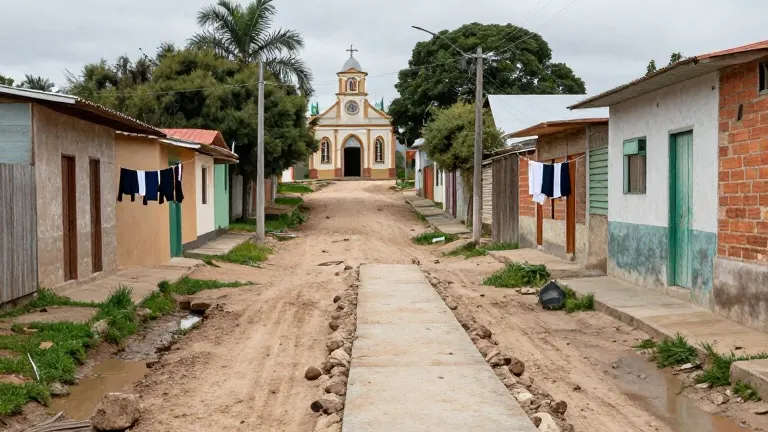
Lucía Pintos, a 21-year-old student, cannot let her children play outside because of the gunfire. The neighborhood of El Borro in Montevideo sits on the periphery of the city and faces an imminent visit from Pope Leo XIV. This district is a frontline in Uruguay’s rising drug violence, where the local parish serves as a primary shelter for families.
The Catholic Archdiocese of Montevideo claims El Borro has the strongest church presence in the country. Father Pablo Coimbra leads the mission at Parroquia Nuestra Señora de Guadalupe. He described the daily routine for residents who must retreat indoors at specific times to avoid stray bullets. "They throw themselves to the ground because a stray bullet can fall on anyone," Coimbra said. The area is marked by dirt roads that turn to mud and flow into homes during heavy rains.
Local officials acknowledge the severity of the crisis. Interior Minister Carlos Negro stated in October 2025 that Uruguay had epidemic rates of homicide. President Yamandú Orsi cited insecurity in these sectors as his main concern. Official counts show 98 homicides in Montevideo through September. This figure represents a 13.5% increase compared to the same period last year. More than 46% of these deaths occurred in Casavalle, El Borro, and surrounding areas.
The parish aims to counter crime through social housing projects. Neighbors are currently constructing more than 100 housing units with sanitation networks. This effort creates local jobs and provides infrastructure. A concrete path was recently built by residents to facilitate the papal visit. A restored football pitch in the area sits empty due to recent shootings. The church also holds a Monday mass for homeless individuals, providing them with food and a place to rest.
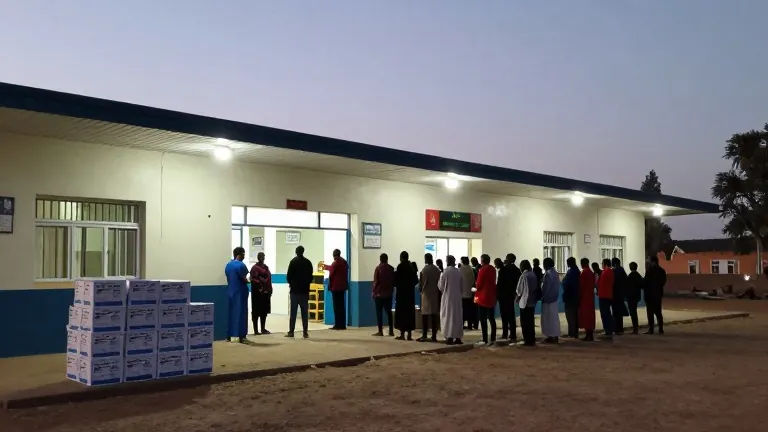
Many young men in the neighborhood attempt to leave drug dealing for religious life. Pablo Acosta, 28, works informal market jobs and sends money to his 10-year-old son. He said he has been trying to stop using drugs for one month. Church data indicates that only 2,200 of the 30,000 babies born in Uruguay in 2025 received the sacrament of baptism. Most attendees at the homeless mass keep their arms crossed during communion, signaling they have not been baptized.
Coimbra noted that the church fills a gap left by the lack of other social institutions. "They do not have the club, they do not have English, they do not have rugby," he said. The parish accepts families displaced by drug gangs who use violence to clear space for storage. The arrival of the pope marks the start of his tour through Uruguay, Argentina, and Peru.