9 Ships Struck as Black Sea Grain Route Attack Rate Hits 3.7x Peak
Ukraine faces an $8 billion export loss as Russian strikes on Romanian and Bulgarian waters disrupt the Danube corridor and spike global wheat prices by 20 percent.
By Natalia Costa ·
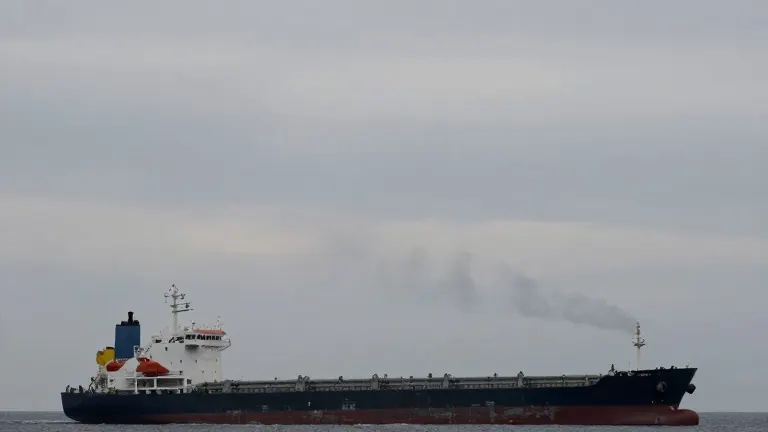
Drone strikes hit at least nine commercial vessels off the coasts of Romania and Bulgaria in October. These NATO members host critical shipping lanes that Ukraine relies on to move grain after Russia bombarded its primary Black Sea and Danube River ports. The attacks target oil, gas, wheat, and corn cargo, creating a direct conflict between military tactics and the food supply chains of importing nations.
Maritime security firm Ambrey reported that attacks associated with the Danube corridor increased by a factor of 3.7 in the third quarter compared to the first half of 2026. This surge coincided with a shift in Ukrainian logistics. The Danube route through Romanian ports of Izmail, Reni, and Constanta handled 74 percent of Ukrainian port cargo in August. That figure marks a steep rise from the 10 percent share recorded between January and June.
Ukraine’s agriculture minister estimates that continued port closures will cost the country at least $8 billion between June 2026 and June 2027. This amount equals 20 percent of Ukraine's total export revenues from the previous year. Grain and vegetable oil accounted for roughly 40 percent of Ukraine's merchandise exports in the first half of 2026. Russian attacks have halted traffic through Black Sea ports that previously managed about 90 percent of the nation's agricultural exports.
Kyiv has responded by redirecting drone strikes toward Russian export facilities. Ukrainian military officials stated that 76 Russian vessels were struck between July 6 and 11. These operations damaged main grain terminals on the Black Sea and Sea of Azov, which previously processed nearly a quarter of Russia's wheat exports. Moscow suspended exports through the Don-Azov Canal in mid-July and faced further setbacks after a late-July attack on the grain terminal at the port of Taman.
Russia and Ukraine together control nearly 27 percent of global wheat exports. Russia holds the top position, while Ukraine ranks fifth. The disruption has pushed wheat futures on the Chicago Mercantile Exchange to their highest levels since 2023. Prices rose by approximately 20 percent during the first nine months of 2026. This price spike occurred during the peak export season for winter wheat, the dominant variety harvested in summer and shipped in late summer.
The US Department of Agriculture projects that combined production by the world's seven largest wheat exporters will fall 11 percent in the 2026 to 2027 season. This production drop happens as the ability to deliver grain to markets becomes more difficult and expensive. Strategic reserves in Arab and African countries, which depend heavily on imported grain, face depletion risks. Rising transport costs and the expense of securing shipments add to the pressure on importing economies.
The conflict in the Black Sea creates a dual threat to global food security. Production capacity is shrinking due to drought and climate change, while delivery routes face active military disruption. These factors combine to drive up food prices and import bills. The situation mirrors the inflationary pressure already seen from energy supply disruptions in Gulf waters, adding a new source of price pressure to the global economy.