Florida homeowners face accelerated gutter degradation due to heat and debris
Local experts advise three cleanings a year to prevent structural rot and costly repairs during the wet season.
By Carolina Wood ·
The standard advice for Florida homeowners is to clean gutters twice a year, yet many residents wait until a storm causes an overflow before taking action. This delay often allows standing water to accumulate in the troughs, creating conditions that damage the home’s exterior structure.
South Florida’s wet season typically runs from June through September. During this period, afternoon storms occur frequently, causing water to pause in gutters rather than draining away. This stagnation leads to the development of rot, rust, and mosquito larvae. The failure usually stems from water retention rather than the immediate breaking of the metal material.
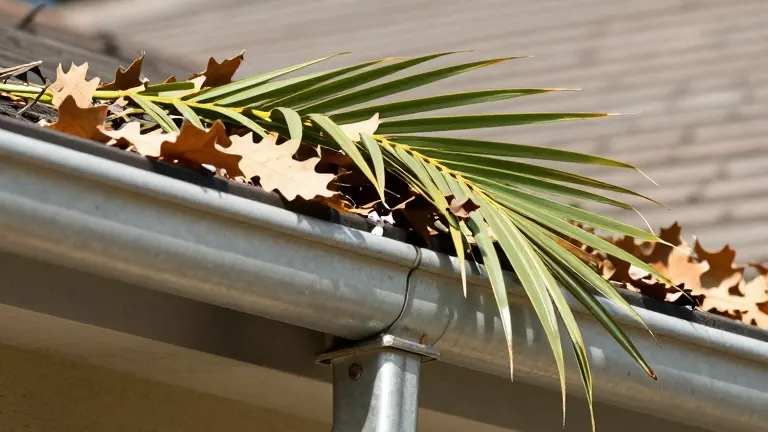
The climate in Florida accelerates gutter wear through a repetitive cycle of expansion and contraction. In July, standing water can heat to bathwater temperatures before being subjected to full sun and wind-driven rain. This process loosens the fasteners that hold gutters to the fascia board. Additionally, year-round debris from live oaks, palms, and pines creates a heavy load. A single palm frond can hold moisture against a seam, acting like a wet sponge and causing leaks at the joints.
Sun exposure also plays a role in material degradation. The National Weather Service reports that Florida experiences some of the highest ultraviolet exposure in the continental United States. Vinyl gutters, in particular, tend to chalk and become brittle under this intensity. Homeowners with gutters older than fifteen years that face south should inspect them before the next major rainfall event.
Homeowners can assess their gutter systems from the ground using a specific three-part test. First, observe the drip line after heavy rain. Water landing in a straight line below the gutter indicates overflow rather than normal splash. Second, tap the bottom of the downspout. A hollow sound suggests the pipe is clear, while a dull sound indicates a blockage. Third, use a flashlight to inspect the wood behind the gutter. Staining, soft spots, or peeling paint reveal water damage that is occurring where it should not be.
If two of these signs are present, a professional inspection is necessary. Ladder work in high heat and humidity poses safety risks and can obscure smaller issues. Drone technology now allows crews to view the entire roofline and all hangers without stepping onto the roof, providing a more comprehensive assessment than a manual visual check.
For homes located under oaks or palms in Loxahatchee, experts recommend three cleanings per year rather than two. The first should occur in late May before storm season to clear troughs and flush downspouts. A second check in mid-summer addresses the compacted mud and grit left by early storms. The final pass in October includes a full inspection of the fascia and soffit once the weather dries out.
Gutter guards can extend the time between cleanings by keeping large debris out, but they are not a substitute for maintenance. Fine grit still penetrates the guards and requires flushing. The Environmental Protection Agency notes that uncontrolled runoff is a leading cause of streambank erosion and carries pollutants into local waterways. Properly directed water flow is essential to prevent pooling at the foundation, which can push against slabs and create mud pits in sandy soil.