Ukraine confirms full satellite speeds restored after military conflict
Defence Minister Yevhenii Khmara announced on Saturday that connectivity limits affecting drone operations have been lifted, ending a period of restricted access to the Starlink network.
By Natalia Costa ·
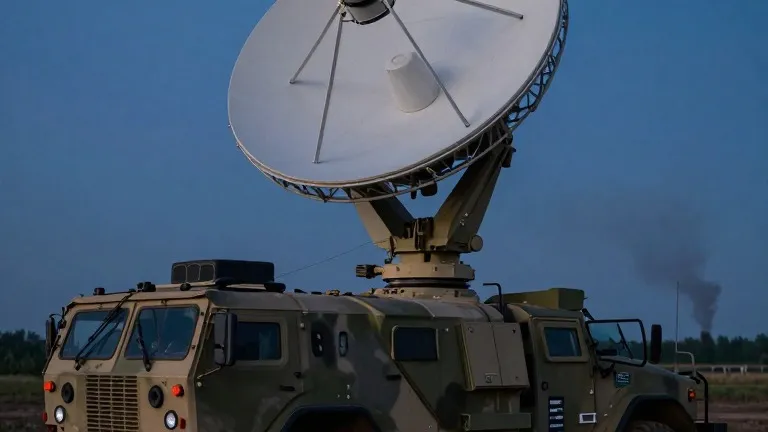
Ukraine's military satellite links are back at full capacity after a multi-day period of restrictions.
Defence Minister Yevhenii Khmara announced the change in a statement on Saturday. He said speeds of more than 400km/h are now possible on the network, which he described as a sign that full capability has been restored. Khmara stated, "This result is above all important for our front, for our soldiers, for the operation of drones, for logistics and for communications."
The disruption began last week when Ukrainian officials accused US President Donald Trump of instructing Starlink owner Elon Musk to impose limits. Under those rules, drones reportedly lost their connection when travelling at 161km/h or faster. Trump denied giving such an instruction but later said Musk had "put it back." The network supports both the civilian Starlink service and the military-grade Starshield system, which Ukraine uses to pilot drones and run operations, particularly in remote areas of the battlefield.
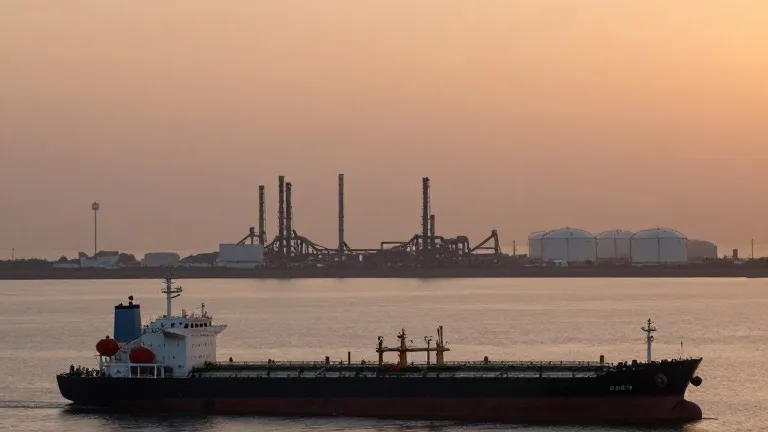
Musk has indicated that Starshield is controlled by the US military and suggested the Pentagon might be behind the recent issues. The conflict coincides with a diplomatic dispute between Trump and Ukrainian President Volodymyr Zelensky over Ukrainian strikes on Russian oil infrastructure. Trump has argued that these strikes have pushed global fuel prices higher, while Kyiv maintains they are essential for cutting Moscow's war revenue. Zelensky also claimed the US threatened to withdraw intelligence sharing if the strikes continued, a move Trump denied.
The satellite network plays a specific role in the war because Russia is not authorised to use Starlink. Consequently, the system does not function when Ukraine sends long-range missiles or drones deep into Russian territory to hit targets such as oil refineries. This technical limitation has influenced strategic discussions between the two leaders amid upcoming midterm elections in the United States.
On the ground, fighting continued on Saturday. Russia's defence ministry reported that its air defences shot down 616 Ukrainian fixed-wing drones, which struck regions including Crimea. Sergey Aksyonov, the Moscow-backed governor of Crimea, said electricity and water restrictions were introduced following power cuts caused by the drone strike.
Ukrainian authorities reported that in the past 24 hours they hit a missile component manufacturer, a chemical plant, and an aircraft at a military airfield inside Russia. They also stated that Russia carried out 88 air strikes on Friday, using 309 glide bombs and 10,270 kamikaze drones.