US Moves Second Batch of Aircraft From UK Bases Amid Iran Threats
Tankers diverted from RAF Mildenhall as Congress receives briefings on Iranian plots targeting US interests in Europe.
By Thomas Obasi ·
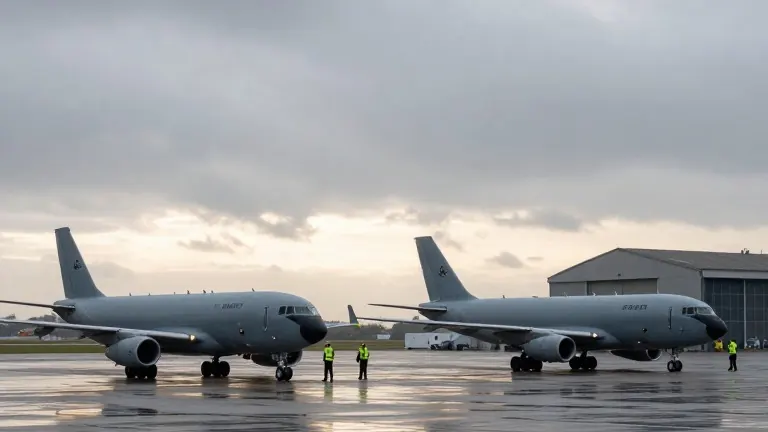
The United States has reduced its military air presence at a second British base following reports of new threats from Iran. A Wall Street Journal report details the diversion of two refueling tankers en route to RAF Mildenhall, located 80 miles northeast of London. The aircraft were rerouted to Germany on Monday morning, while additional tankers were removed from the base later that day. The report did not clarify if the threat was imminent or general, but the action marked a significant escalation in defensive measures.
This move follows an earlier withdrawal of 12 B-1 bombers from RAF Fairford, 90 miles west of London, in early October. That redeployment occurred after the exposure of a drone attack plot by Iran’s Islamic Revolutionary Guard Corps and the foiling of a van bomb scheme targeting the base. Five suspects were arrested in connection with the bomb plot. British Prime Minister Andy Burnham stated there were strong indications that the Iranian government played a part in the scheme, while Vice President JD Vance described the bomber removal as a precautionary step.
Congressional leaders received updated intelligence on Monday as the legislature returned to Washington, D.C., following the midterm elections. The briefing included Republican and Democratic leaders from the House and Senate, along with the heads of the intelligence committees in both chambers, a group often referred to as the Gang of Eight. These officials were informed about specific threats to US interests stemming from Iranian activities.
President Trump previously addressed the decision to move the bombers in an October 5 press conference. He explained the rationale by noting the administration had an idea that a threat might exist. He asked reporters why the aircraft would remain at the base given those conditions. The current diversion of tankers suggests the cautionary approach is being extended to additional assets at other UK facilities.