9,000 hectares of poppy fields reveal economic shift in Balochistan
Satellite imagery shows a sharp increase in poppy cultivation in Balochistan, driven by Afghan farmers.
By Carolina Wood ·
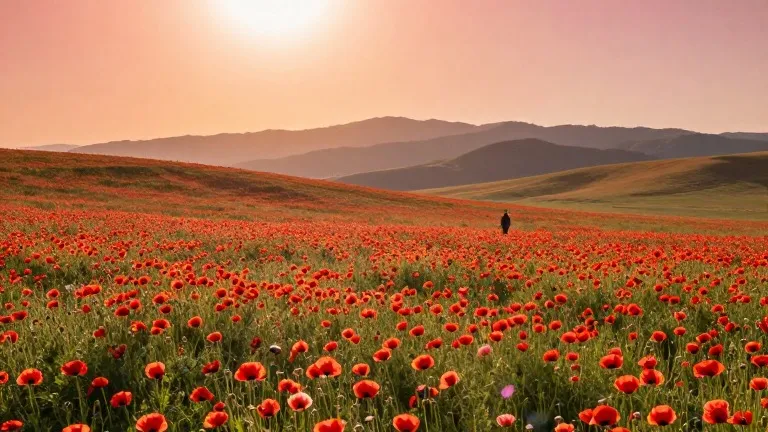
A sharp increase in poppy cultivation has been detected in Balochistan, Pakistan, with more than 9,000 hectares of poppy fields identified. This surge follows the Taliban's wide-ranging ban on illicit narcotics in 2022, which has shifted opium production to neighboring Pakistan and Iran. Afghan farmers, who have brought both money and expertise, are leasing land in Balochistan and using advanced irrigation methods, such as drip irrigation, which suggests a long-term commitment to poppy cultivation. The local economy has also been affected, with traditional fruit farming being devastated by insecurity, drought, and flash floods, making poppy farming a more profitable option for many farmers.
The increase in cultivation is not isolated to Balochistan, as similar patterns have been reported in Iran’s Sistan-Baluchistan Province, where satellite imagery from 2026 shows extensive poppy fields. Afghan farmers are also working as tenants and sharecroppers in Iran, drawing on family ties to further the cultivation of poppies. Iranian authorities, however, have been unable or unwilling to destroy the 2026 crop, and experts expect cultivation to rise further in 2027 as the economy teeters and the province's separatist insurgency intensifies.
The surge in opium production in Balochistan is also driven by the economic hardship faced by farmers, who are increasingly devoting large plots of land to poppy farming. This shift from mixed farming to large-scale poppy monoculture has been noted by experts, who warn that the growing numbers of farmers in the southwest may read the Taliban’s concessions as a signal that the authorities will tolerate cultivation beyond walled compounds. If so, Afghanistan could see a dramatic rise in opium production in 2027. The increase in drug production both reflects and fuels regional violence, as armed groups compete for tax revenues from the drugs trade and other cross-border activities.
Balochistan’s remote and unstable environment has made it an ideal location for the expansion of the poppy trade. Farmers in Killa Abdullah have reported that they pay bribes to local authorities through influential intermediaries to secure their cultivation. The local government has denied reports of opium cultivation, but satellite imagery and farmer interviews suggest otherwise. The United Nations Office on Drugs and Crime has estimated that opium production in Pakistan remains marginal, though the agency acknowledged that scarce regional data and sharp rises in eradication figures point toward a certain degree of spillover effects.
The combination of economic hardship, the Taliban’s ban on narcotics, and the influx of Afghan farmers has created the conditions for widespread poppy cultivation in Balochistan and parts of Iran. The borderlands of the three countries have become a global center for opium production, and the result could be a dramatic rise in opium production in 2027. This increase in production could lead to a rise in heroin supplies on international markets and generate income for armed groups, potentially stoking violence.