Two films, three hours, and a crisis of trust in documentary truth
Netflix’s new release by Lee Chang-dong pairs with a high-profile feature by Nathan Fielder to interrogate how filmmakers manipulate their subjects.
By Carolina Wood ·
A new drama and a high-profile documentary, both running nearly three hours, have landed on Netflix today. They pose the same central question: can viewers trust documentary filmmakers to capture the truth? The films are 'Possible Love' and 'You Can See Everything.'
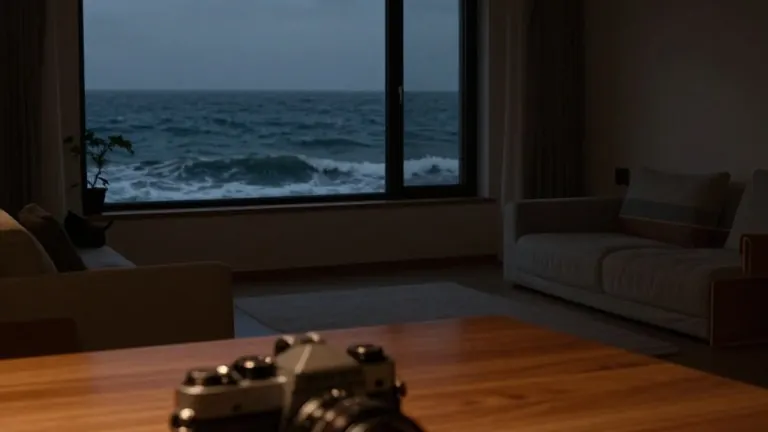
'Possible Love' is a fictional drama directed by Lee Chang-dong and written with Oh Jung-mi. It stars Jeon Do-yeon as Mi-ok, a working-class woman who agrees to appear in a documentary about laid-off auto plant workers. Her husband, Ho-seok, played by Sul Kyung-gu, was fired after a violent union strike. He now struggles with alcohol and depression. The documentary filmmaker, Lee Ye-ji, is portrayed as wealthy and charming. She befriends Mi-ok, taking her and her husband to a luxurious coastal home. The film suggests the friendship is calculated for the camera.
The narrative builds to a breakdown in the woods where Mi-ok is vulnerable. Lee Ye-ji hides in the trees and films her. This moment illustrates the power imbalance between the filmmaker and the subject. The film argues that when a filmmaker turns the camera off for their own personal stories but records the subject’s pain, the relationship is not equal.
'You Can See Everything' offers a different perspective on filmmaker bias. Directed by Lance Oppenheim and Nathan Fielder, it is a documentary about Fielder’s relationship with Elizabeth Holmes, a convicted tech CEO fraudster. The film leaves audiences wondering if Fielder developed personal feelings for Holmes. This ambiguity unsettled viewers who questioned whether the film was truly objective. Some took to the internet to debate if the film was a documentary or a constructed narrative.
Both films challenge the idea that documentary creators are unbiased observers. They present filmmakers as artists with their own ambitions and biases. 'Possible Love' focuses on the human cost of being a subject in a sob story. 'You Can See Everything' asks viewers to scrutinize the filmmaker’s own potential for emotional involvement.
The release of 'Possible Love' coincides with the ongoing discussion around 'You Can See Everything.' Both works are available on Netflix now. They invite audiences to look closer at the dynamic between the person behind the camera and the person in front of it.
The two films share a runtime of nearly three hours each. They are not double features in length, but they share a thematic focus on authenticity. The core tension is whether the love or transparency promised by a filmmaker is genuine or a tool for content creation.