Tanach Text Analysis Shows 241 Mentions of Avraham Against 47 for Sarah
A statistical review of Hebrew biblical texts reveals a sharp disparity in name frequency between the patriarchs and matriarchs, prompting a theological debate regarding the division of labor in the ancient narrative.
By Natalia Costa ·

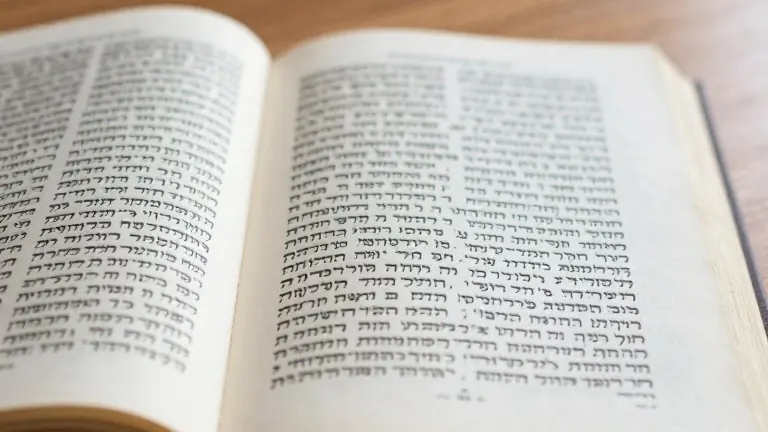
A computer-aided search of the Tanach identifies 241 instances of the names Avram or Avraham. In contrast, the same search yields only 47 occurrences of the names Sarai or Sarah. This quantitative gap forms the basis of a new argument regarding how biblical history is recorded. The analysis suggests a structural pattern in the text that prioritizes the visibility of male figures over female ones.
The disparity is not limited to the Abraham and Sarah narratives. It persists across the Torah and the broader Tanach. The text presents a visible male narrative while the female narrative operates with less frequency in the explicit record. This observation challenges the assumption that the lower count reflects a lower level of influence or agency within the stories.
The theological argument traces this pattern back to the sixth day of creation. According to the Midrash in Bereishit Rabbah 8a, God created Adam as a single hermaphrodite organism with two faces. When Adam named the animals, he observed that each species had a distinct male and female counterpart. Rashi notes that Adam asked why he lacked a mate. God then put Adam to sleep and separated the original organism into two halves, Adam and Chava, at the point of the rib.
The narrative of Adam and Chava in Gan Eden shows the reverse of the later pattern. In the section after separation, Adam is named 10 times, while Chava is named 18 times in various forms. The text argues that when Chava took the lead, the relationship entered a period of conflict. Chava is described as acting unilaterally, giving Adam wine to encourage procreation according to the Zohar. This action preceded the temptation by the snake and the subsequent blame between the couple.
Avraham and Sarah are presented as the tikkun, or repair, for the Adam and Chava dynamic. The shift to 241 mentions for Avraham and 47 for Sarah reflects a different operational mode. Avraham is associated with physical actions such as digging wells, hosting guests, and waging war. Sarah is associated with the spiritual domain, teaching Torah to women and maintaining the sanctity of the home. The Midrash in Shemot Rabbah 1,1 states that Sarah's prophetic abilities exceeded Avraham's.
The two figures are described as partners in a joint labor. Avraham handled hospitality and teaching for men, while Sarah performed the same functions for women. This division allowed both to operate within the same ecosystem without diverging. The argument concludes that the lower mention count for Sarah does not diminish her power. It indicates that her influence was exercised behind the scenes, creating a harmonic balance that corrected the dysfunction seen in Gan Eden.
The couple is buried together in Me'arat HaMachpeilah, described as an indivisible unit. The text positions their partnership as a complete integration of the two halves of the original organism. The statistical evidence of name frequency is used to support the idea that the visible and invisible roles are equally powerful.