Talmudic scholars define the Jordan River's limits for religious vows
A distinction in the Talmud limits the geographic definition of the Jordan River to the area south of Jericho for tithing, while vows follow common speech.
By Carolina Wood ·
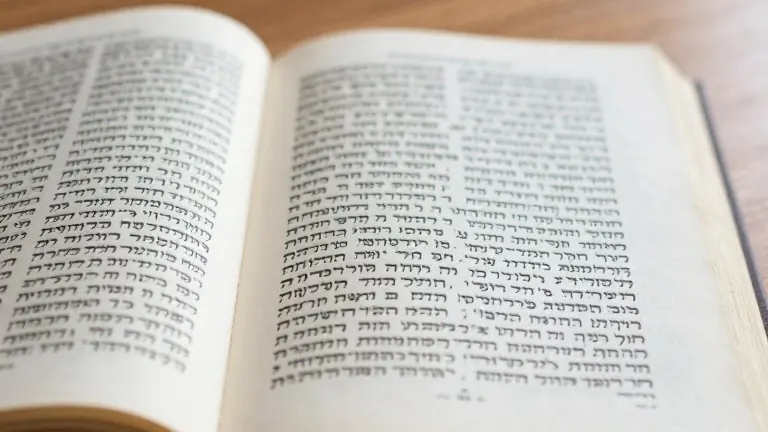
Daily Torah study on November 8, 2026, focused on a legal distinction regarding geographic boundaries and linguistic interpretation. The discussion centers on the tractate Bechoros, specifically page 55a, where rabbis analyze how physical barriers affect religious obligations.
The Mishna states that a flock cannot be tithed as a single unit if a geographic break separates parts of it. R. Meir cites the Jordan River as an example of such a barrier. However, Rabbah b. Bar Chana limits this definition. He rules that the Jordan River, for the purpose of tithing, refers only to the section from Jericho and below. The area above Jericho does not count as a valid geographic break for this specific law.
This restriction applies exclusively to tithing. For vows, known as nedarim, the Gemara instructs that common parlance governs the interpretation. If a person makes a vow involving the Jordan, the term includes the entire river, including the section above Jericho. This aligns with the general rule that vows are interpreted based on everyday language rather than Biblical or Mishnaic usage.
Maimonides codified this principle in his Hilchos Nedarim. He ruled that common speech is the primary basis for interpreting ambiguous terms in vows. The Radbaz addressed a subsequent question regarding the necessity of Mishnaic definitions if common speech already governs. He answered that those definitions remain relevant in locations where no established common usage exists.
The commentary also examined the term shechorei ha'rosh, which literally translates to dark-headed people. The Mishna states that a vow excluding benefit from these people prohibits interaction with adult men who do not cover their heads. Women and children are excluded from the prohibition. Rashi explained that women always cover their heads, while children customarily go without head coverings, making the term inapplicable to them.
Ritva noted a shift in the meaning of the term during post-Talmudic times. It began to refer to anyone with dark hair. This change excluded bald individuals and elderly people who typically have white hair. Ritva added that if a vow-maker explicitly states an intention to follow the plain meaning of a word, that intention is accepted, even if it results in a leniency.