Houthi Forces Squeeze Taiz, Leaving Families to Ration Every Drop
As the siege on Yemen’s third-largest city intensifies, residents face skyrocketing water prices and dwindling supplies that threaten basic survival.
By Carolina Wood ·
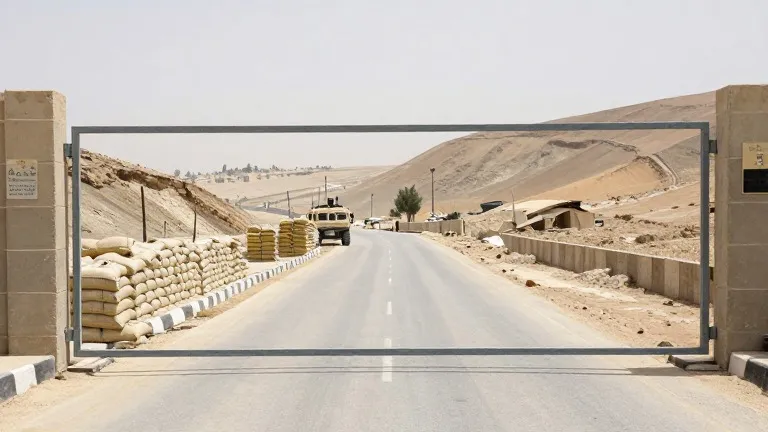
For over a decade, residents of Taiz have struggled to secure clean drinking water, but humanitarian organizations report that the situation has deteriorated into a full-scale crisis in recent weeks. The tightening grip of Iran-backed Houthi rebels on the city’s outskirts has severed vital lifelines, leaving more than one million people with barely enough resources to meet their most basic needs. What was once a manageable shortage has become a daily battle for survival as the conflict with government forces escalates around the Yemeni city.
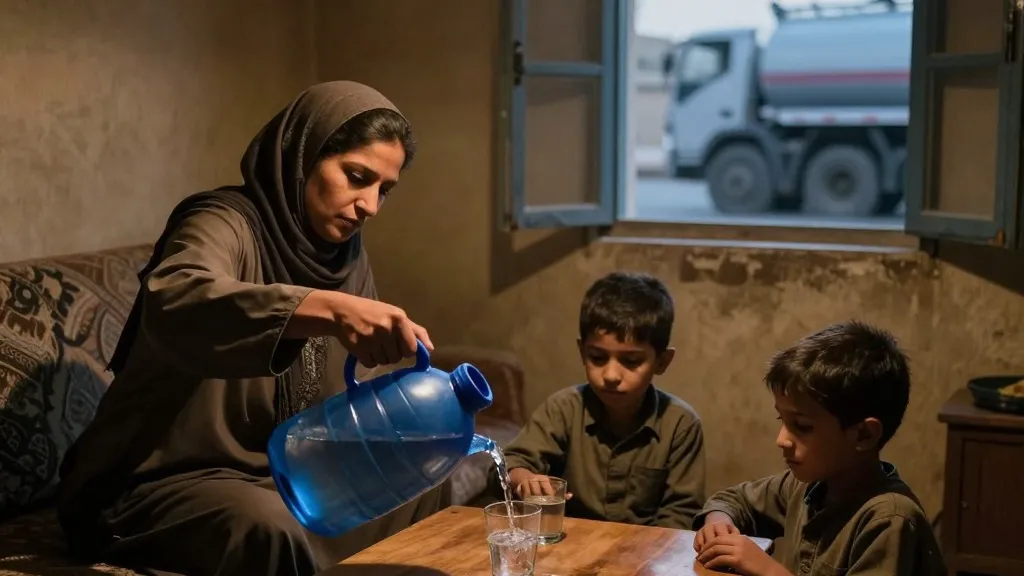
The numbers illustrate the severity of the strain. Access to local wells is now heavily restricted, and desalination plants are operating far below capacity due to a lack of fuel. Water trucks, which previously provided a dependable supply, are largely blocked from entering the city. Those that still make the dangerous journey have raised their rates significantly, with some drivers tripling their prices. Consequently, the cost of bottled water has surged by as much as 75 percent in just a few weeks, forcing many households to purchase their essential supply on credit.
Hadil al-Shahid, a salon owner, describes the drastic changes in her household routine. Her family, which includes two young children, once consumed about 10 liters of bottled water daily for drinking and cooking. Now, that same volume lasts them approximately four days. To stretch their limited supply, the family has abandoned daily habits such as drinking coffee and tea. Al-Shahid explained by phone that the financial pressure is immense, noting that staying in their home is now a matter of life or death rather than a choice.
The impact extends well beyond hydration. The siege has triggered grocery shortages that have pushed food prices upward, making staples like flour and rice cost about 50 percent more than in the summer. Fuel scarcity has also disrupted hospital operations and sanitation services, increasing public health risks. Hani Bafaqih of the aid group CARE noted that cooking gas prices have more than quadrupled, prompting some families to burn wood, charcoal, or even cardboard to prepare meals. These compounding shortages create a cycle where each lack worsens the others, according to Jens Laerke, a spokesperson for a UN emergency aid division.
The current escalation is part of a broader regional conflict. By August, Yemen had become a widening front in the Iran war. The Houthis advanced on Taiz last month after capturing the port city of Mokha, a strategic location for controlling Red Sea shipping. As rebels seized more land and roads, residents lost access to nearby water sources. Taiz province has since absorbed roughly half of the displaced people from elsewhere in Yemen, an estimated 124,000 individuals, according to United Nations migration experts. Many of these families live in makeshift shelters or tents, surviving on one meal a day.
Ahmed Abdel Gaber, who is displaced with nine relatives, shelters in the ruins of a building. His income from hauling construction material has become unstable, leaving his family heavily reliant on assistance and donations for food. He reports hearing explosions daily from fighting located about five kilometers away. Like Al-Shahid, whose children now eat mostly rice, bread, and cheese, he says his family will not return to their mountain village for safety reasons. The daily threat of combat makes leaving the city feel less safe than staying put.
Strategically, the government still holds the center of Taiz, but the siege complicates resupplying its forces. These troops face stiff resistance in the surrounding hills, particularly to the east. Analysts suggest that controlling Taiz is crucial for the Houthis if they intend to push south toward Aden and Lahj. Ahmed Nagi of the International Crisis Group warned that any attempt to seize parts of the city would likely result in a prolonged and costly battle. While three Houthi officials claimed the group controls about 80 percent of the surrounding countryside and several city neighborhoods, Foreign Minister Afrah al-Zouba has acknowledged the rebels' tightening grip on the region.
The human cost of this stalemate continues to rise. Earlier this week, Houthi missiles struck a residential area, killing two teenage girls. Amnesty International has urged the Houthis to open roads into the city immediately, warning that Taiz is being pushed to the brink of a severe humanitarian disaster. As thirsty families turn to unprotected wells, the risk of disease, including cholera, grows. The combination of physical danger and resource scarcity leaves civilians in a precarious position, with few options for escape or relief.
The situation in Taiz highlights the fragility of urban infrastructure under siege. With the water utility struggling and community kitchens hampered by fuel shortages, the daily reality for residents is one of constant calculation and sacrifice. The conflict has transformed a city that was already stressed by drought and population growth into a frontline of a broader regional struggle. For the families remaining, the fight for water has become the central measure of their endurance.