Healey Faces Debt Wall in Budget
The new Chancellor must address a 3 trillion pound debt and rising energy costs while funding a major defense expansion.
By Natalia Costa ·
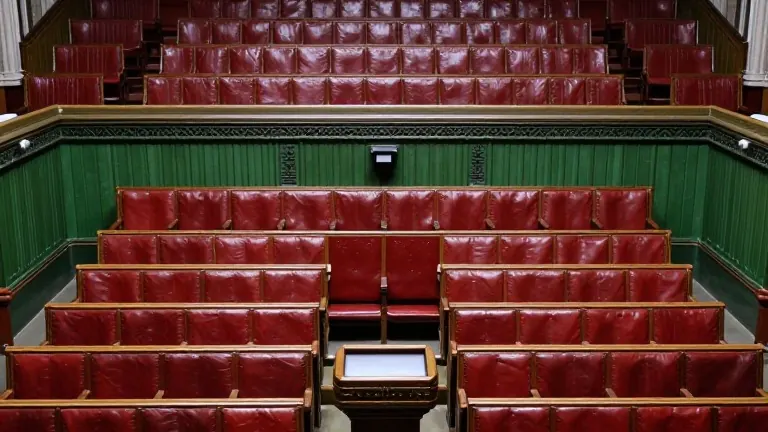
Chancellor John Healey will present the first UK budget under Prime Minister Andy Burnham’s government at 12.30 GMT on Wednesday. The announcement comes as the nation grapples with a cost-of-living crisis and soaring energy bills. Healey faces the challenge of balancing a budget that was pushed over 3 trillion pounds in debt last month.
The government’s primary focus is financing a massive defense expansion. Burnham stated on ITV that the first task is to fund the investment plan announced in June. That plan requires 298 billion pounds to transform the armed forces for warfighting readiness. The government aims to close a 4.7 billion pound funding gap identified in that inherited plan, likely by cutting other departmental budgets.
Healey must also address the rising cost of debt. The UK is currently spending 100 billion pounds annually just to service its national debt. This spending level hit a peak last month as borrowing reached nearly 25 billion pounds. The Office for National Statistics noted that higher debt interest costs were a major driver of this increase, pushing the total debt past the 3 trillion pound mark.
New taxes on banks and online marketplaces are expected in the statement. The Treasury is considering changing a 2023 surcharge rate on banks, a move that would raise approximately 2 billion pounds. The four largest banks reported profits of about 15 billion pounds in the first half of the year. Additionally, Healey plans to target foreign sellers on platforms like Amazon and Temu to recover unpaid VAT, which could raise up to 1 billion pounds for high street support.
Households will face a 16 percent increase in energy price caps in January. Energy consultancy Cornwall Insight predicts the average annual bill will reach nearly 2,000 pounds. This spike follows the closure of the Strait of Hormuz during the conflict in the Middle East. To provide relief, the government is expected to scrap standing charges for energy supply and remove tariffs on basic food items like chocolate and beans.
The budget allocates 1.42 trillion pounds for day-to-day spending and public investment this year. Healey stated that the government intends to move money and power out of Westminster and into local communities. He emphasized a steady approach to fiscal rules to control borrowing and bear down on inflation. This strategy contrasts with the more aggressive tax and spending changes seen in the previous two budgets under Chancellor Rachel Reeves.
Social care and pensions will see specific adjustments in the plan. A new personal allowance will shield pensioners from income tax. The government will also add 1 billion pounds to the existing 39 billion pound fund for social and affordable housing in England. These measures accompany the announcement of a new national care service for the elderly, which Burnham said will be funded by savings from scrapping the state pension triple lock.
Economists have offered mixed views on the strategy. Helen Miller from the Institute for Fiscal Studies warned that a steady approach is risky because inflation could blow spending plans off course. Jasper Kanter from Aberystwyth Business School suggested that targeted support is more effective than large-scale tax cuts. He noted that growth is less inflationary when it comes from increasing productive capacity rather than just boosting spending.
The budget marks the first major fiscal test for the Burnham administration. It must reconcile the high cost of debt with the need to fund national security and social services. The decisions made on Wednesday will set the financial tone for the remainder of the term. The government aims to protect living standards while meeting its NATO defense spending targets of 3 percent of GDP by 2030.
More Business · World news · Business Watchdog · Report a business · Got a Story?