Google Ad Policy: Gmail and Photos Data Now Shapes Targeting for 25% of Users
A policy revision effective October 16 allows Google to use personal file contents for ads when users connect their accounts to AI Mode features.
By Thomas Obasi ·
One in four Google users who connect personal accounts to AI tools now face ads tailored to the specific contents of their Gmail, Drive, and Photos files. The company updated its privacy policy on October 16 to remove a previous absolute ban on using these services for personalized advertising. This change marks a departure from Google's longstanding pledge not to mine personal account data for ad targeting purposes.
The revision applies specifically to users who have enabled the Personal Intelligence feature. This tool links Drive, Gmail, and Google Photos to AI Mode and Search. By connecting these accounts, users allow the AI to read their files to generate more tailored answers. Under the new terms, that same data sharing now extends to advertising. Google states that the commitment to keep this data separate from ads holds only unless users choose to make it available to other services that support personalized ads.
Google has established boundaries around how advertisers use this information. Companies buying ad space do not receive direct access to a user's Drive, Gmail, or Photos content. They also do not receive personally identifying details such as names or email addresses. The company says it will not base ads on sensitive categories like race, sexual orientation, religion, or health. The policy text notes that services like Search or Gemini Apps may access data from other products to provide a more personalized experience.
The policy provides a concrete example of how this mechanism works. If a user permits Search to access their data, the system might process that information to personalize content. The document illustrates that someone who searches for mountain bikes in Search could later see ads for sports equipment on YouTube. This demonstrates how activity in one Google service can trigger advertising in another when data sharing is enabled.
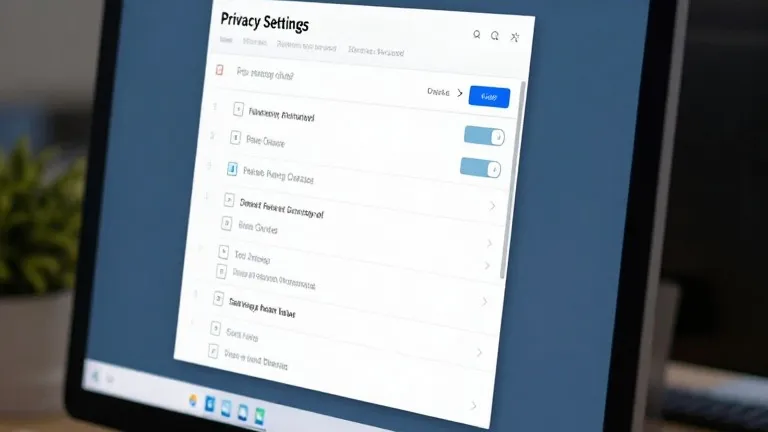
Users who wish to exclude their personal files from ad targeting have two primary options. They can select specific apps to disconnect from Search's Personal Intelligence features. Alternatively, they can switch off Personalized Recommendations entirely through the Search Services Personalization settings page. These settings allow users to control whether their personal content influences the ads they see across the platform.
The change was first identified by Android Authority. It carves out an exception to the policy that previously stated Google would not use data from Drive, Gmail, or Google Photos for personalized ads. The update adds a qualifier to that commitment. It specifies that the rule applies unless the user explicitly allows their data to be shared with services that support personalized advertising.