Diplomatic Stalemate: Iran Blames Washington for Collapse of Ceasefire
Tehran attributes the breakdown of the interim agreement to US actions while warning that military retaliation could begin as soon as this weekend.
By Thomas Obasi ·
Iranian President Masoud Pezeshkian placed the burden for the recent collapse of the interim peace deal on the United States, a move that coincides with escalating fears that active combat between the nations could restart within days. In remarks aired by Iranian Press TV on Saturday, Pezeshkian criticized Washington for unraveling the agreement designed to end the hostilities involving both the US and Israel. Despite this attribution of fault, the president urged both parties to return to the negotiating table and finalize the deal, signaling a continued desire for a diplomatic resolution even as military tensions rise.
The urgency of the situation is underscored by comments from US President Donald Trump, who stated on Friday that he might launch another operation under the codename “Epic Fury.” This is the same designation used for the US and Israeli war against Iran that commenced on February 28. Trump’s suggestion of further military action has heightened concerns that strikes could resume as early as this weekend, placing the region back on a potential collision course after a period of fragile calm.
Military leadership in Tehran has responded with strong rhetorical warnings. The Islamic Revolutionary Guard Corps, or IRGC, cautioned that even limited airstrikes would provoke a response several times greater in scale, according to reports from the semi official Fars News Agency. This threat of disproportionate retaliation aims to raise the cost of any renewed US engagement in the region.
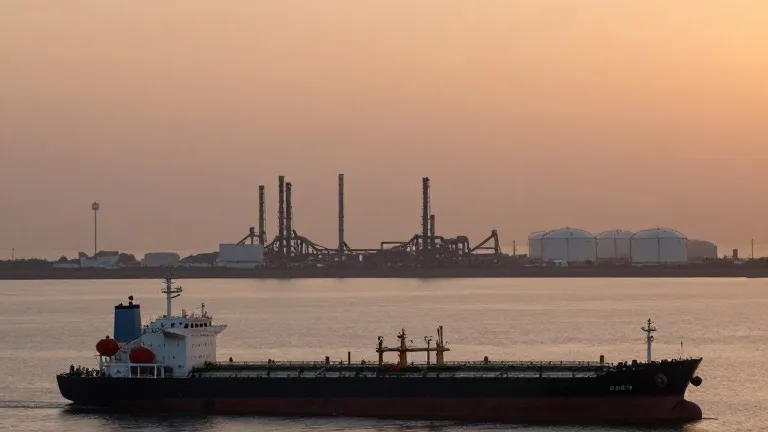
Ali Abdollahi, the Chief of Staff of the Iranian Armed Forces, reinforced this stance on Saturday. He declared that the US military would not be permitted to enter the Gulf under any circumstances or at any time. Abdollahi characterized the idea of US forces operating in the Gulf as a dream that Trump would carry to his grave, emphasizing Tehran's determination to maintain control over its strategic waterways.
The diplomatic and military posturing occurs against a complex domestic political backdrop for both leaders. Israeli Prime Minister Benjamin Netanyahu has maintained his commitment to overthrowing the Iranian government. Israelis are scheduled to vote in their general election on Tuesday, a process that will determine the next government. Meanwhile, Trump faces a critical midterm election on November 3, where the Republican Party could lose control of both the House of Representatives and the Senate. Such a result would represent a significant setback for the president, who has more than two years remaining in his final term.
Fateme Mohajerani, the spokesperson for the Iranian government, articulated Tehran’s defensive posture in a memo released on Saturday. She stated that Iran would not wait for permission to defend itself and that the country seeks peace but will respond to any aggression with severe consequences. Mohajerani emphasized that Iran does not avoid dialogue but also does not hesitate in defending the nation, challenging those who believe they can destroy Iran to correct their calculations.
High level meetings within the Iranian leadership have also taken place during this tense period. Judiciary chief Gholamhossein Mohseni Ejei met with Supreme Leader Mojtaba Khamenei to discuss strategies for tackling corruption and pursuing compensation for citizens affected by the war. This meeting highlights the internal focus on stabilizing the country’s institutions while it manages external threats.
Mojtaba Khamenei assumed the role of supreme leader after his father was assassinated during the initial strikes of the war on February 28. He has not appeared in public since taking office in early March, making his private meetings a key indicator of the leadership's strategic direction. Earlier this week, Parliament Speaker and chief negotiator Mohammad Bagher Ghalibaf was also reported to have met with Khamenei, suggesting a coordinated approach to the ongoing crisis.
The interplay between diplomatic overtures and military threats defines the current state of affairs. While Pezeshkian calls for the conclusion of the deal, the rhetoric from military chiefs and the timing of potential US strikes create a precarious environment. For working families and observers watching the global energy and security landscape, the next few days will be crucial in determining whether the region moves toward a negotiated settlement or a renewed phase of conflict.