Democrats seize Senate and House control in historic midterm wave
Republicans lost at least seven Senate seats and 42 House seats as Democrats captured majorities in both chambers for the first time since 2010.
By Natalia Costa ·
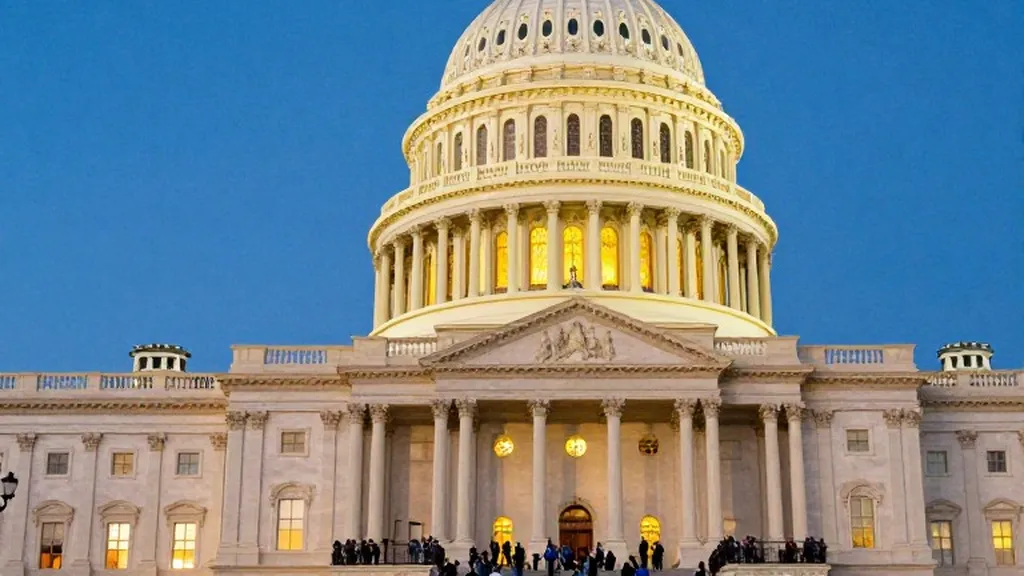
Voters across the nation delivered a decisive mandate for change on Tuesday, November 3, 2026, as Democrats secured majorities in both the U.S. House and the Senate. The results mark a significant shift in the balance of power, with Democrats picking up at least 43 House seats and seven Senate seats, all of which had previously been held by Republicans. According to Ballotpedia, the new composition of Congress will feature at least a 250-157 Democratic majority in the House and a 54-44 majority in the Senate. This outcome ends a period of divided government and places the party in full control of the legislative agenda.
The scale of the Republican loss in the Senate qualifies this cycle as a wave election. The net loss of at least seven seats places this year in the top 20 percent of election years in terms of seat swings against a sitting president's party. While the House results did not quite reach the specific threshold for a wave classification, the loss of 42 seats remains a substantial blow to the Republican establishment. Uncalled races may still alter these totals, but the direction of the shift is clear and immediate. Democrats now hold the gavel in both chambers, setting the stage for a new legislative era.
Beyond federal offices, Democrats won a majority of governorships for the first time since before the 2010 elections. The party also secured a plurality of state government trifectas and a majority of state legislative chambers. This broad-based victory indicates that the shift was not limited to urban centers or specific demographics but was a widespread rejection of the current administration's policies. The cost of living, health care, and the conduct of the Iran war emerged as central themes for voters across the country.
Rep. Thomas Massie of Kentucky, a Republican, moved immediately to force a vote on the impeachment of Defense Secretary Pete Hegseth. Massie introduced the resolution as soon as the House opened for its first session after the midterms. The resolution largely focuses on the war in Iran but also references Hegseth's role in military actions in Yemen and Venezuela. Massie argued that the secretary's actions amount to high crimes and misdemeanors, warranting removal from office. This move signals the immediate intent of the new Democratic majority to hold the administration accountable for its military decisions.
House Speaker Mike Johnson, a Republican, had tried to prevent this outcome, warning lawmakers against impeaching a Cabinet secretary while the U.S. is engaged in military actions in the Middle East. Johnson described the move as a political tactic, stating that it would be a terrible look for allies and enemies to see. However, the tide of the election has shifted the dynamic. Most House Democrats are expected to support the impeachment, with Democratic Leader Hakeem Jeffries calling for the Defense secretary to go. The new majority now has the numbers to push this process forward.
Defense Secretary Pete Hegseth defended his record, stating that critics are taking issue with the accomplishments of the troops. He used the military code names for the Iran war and the campaign against the Houthis, describing the results as historic. Hegseth announced he would hold a news conference to address the impeachment threat, his first in over 180 days. The tension between the executive and legislative branches is expected to intensify as the new Congress takes shape. The Iran war remains a focal point of this conflict, with many Republicans blaming their election losses on the administration's handling of the conflict.
Democrats in Congress are also preparing to flex their new majorities in opposition to President Trump's education agenda. Rep. Bobby Scott of Virginia, the top Democrat on the House Committee on Education and the Workforce, stated he plans to leave no rock unturned in investigating the dismantling of the U.S. Education Department. The committee is preparing to explore the administration's oversight of federal student loans and its anti-discrimination policies. Scott sent a letter to 10 federal agencies reminding them to preserve records that might become part of a congressional review. This move underscores the party's focus on oversight and accountability.
Sen. Elizabeth Warren of Massachusetts called on her colleagues to hold the administration accountable for dismantling the Department of Education. Democrats on the Senate Appropriations Committee are exploring harder checks through the budgeting process. Sen. Chris Van Hollen of Maryland noted that there will be an interest in using the power of the purse to establish guard rails. Some are planning to add conditions to spending bills aimed at reining in the administration's education agenda. This strategy allows Democrats to leverage their control over funding to influence policy, even if they cannot pass standalone legislation due to the presidential veto.
The election results also highlight the enduring influence of Catholicism in California, where Xavier Becerra won the governor's race. Becerra, a Democrat and former U.S. health and human services secretary, becomes the state's first elected Latino governor. His victory extends a streak of five consecutive Catholic governors in California. According to The AP Voter Poll, about six in ten Catholic voters supported Becerra, while about four in ten voted for his Republican opponent Steve Hilton. Catholic voters, especially Latinos, played a crucial role in his win. This result reflects the complex political patterns of religious groups in the state, where Catholicism is woven into the fabric of the culture.