House Shifts: Democrats Take 250 Seats in Historic Midterm Win
With a 250 to 157 majority, the new Congress faces a steep learning curve as Democrats take control of all 435 House seats.
By Carolina Wood ·
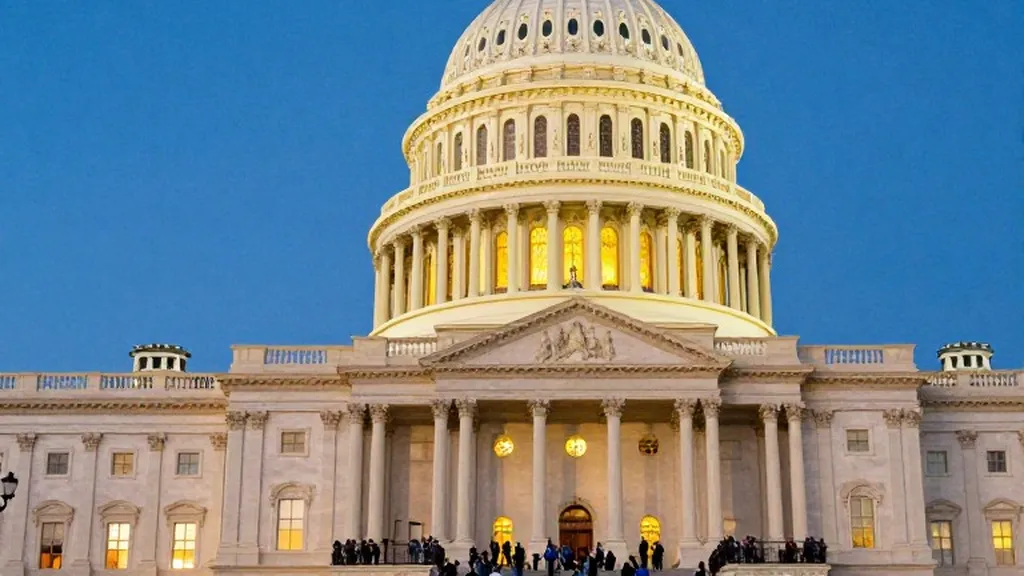
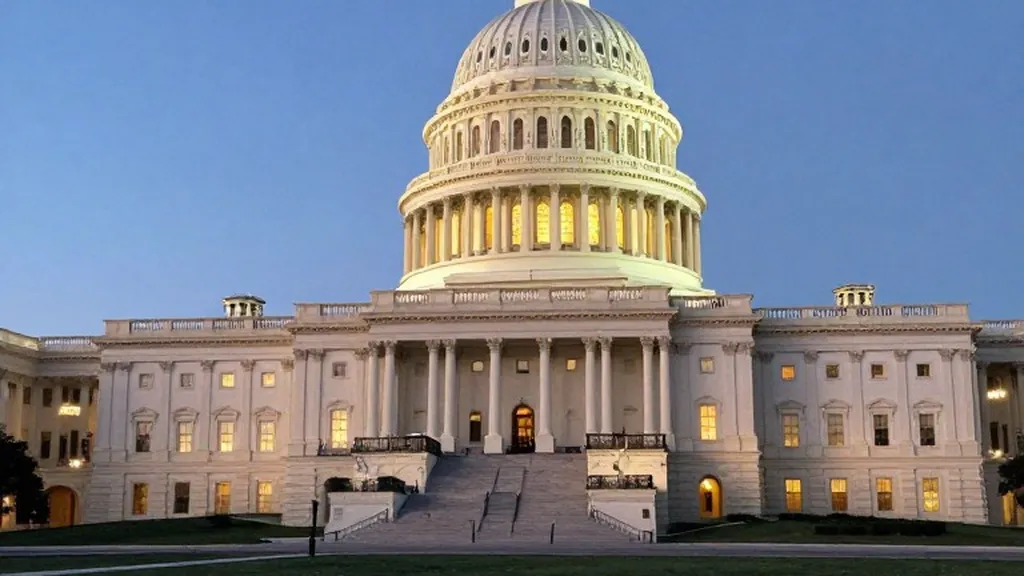
The 2026 midterm elections have concluded with a decisive victory for the Democratic Party in the United States House of Representatives. According to verified results compiled by Ballotpedia, Democrats have secured at least 250 of the 435 seats, while Republicans hold 157. The remaining 28 seats are currently uncalled, but the preliminary data indicates a net gain of at least 41 seats for the Democrats. This outcome marks a significant shift in the balance of power in the lower chamber of Congress, ending a period of Republican control and establishing a new Democratic majority that will now oversee the administration.
The scale of the Democratic victory in the House is substantial. Before the election, Republicans held 219 seats and Democrats held 215. The party in power, the Republican Party, lost 42 seats to the opposition, while Democrats picked up 41. This net change of 41 seats places the election in a category that political analysts often describe as a wave election, particularly when measured against the 48 seat threshold previously defined by historical benchmarks. Although the House results are slightly short of that specific wave threshold, the magnitude of the shift is undeniable and signals a strong mandate from voters across the country.
Among the 46 battleground districts that were closely watched, the new maps in seven states proved to be a critical factor in the final tally. Redistricting had been a major point of contention throughout the campaign, with Republicans leveraging the new boundaries in several key states to maintain their numbers. However, the Democratic performance in these districts offset the structural advantages gained through the map changes. The ability to win in these competitive areas demonstrates that the party was able to mobilize its base and attract swing voters despite the challenges posed by the new district lines.
The financial disparity between the two parties was another significant hurdle. Republicans enjoyed a substantial money edge in the 2026 cycle, outspending Democrats in most of the 46 battleground districts. Despite this resource advantage, the Republican candidates were unable to convert their spending power into the necessary victories to retain the majority. This result suggests that voter sentiment regarding the cost of living, health care, and the administration's handling of the Iran war outweighed the impact of campaign finance. Voters in these districts prioritized substantive policy concerns over the volume of advertising and digital outreach that the Republican advantage allowed.
Oversight of the administration is now the primary focus of the new Democratic majority in the House. With the party holding 250 seats, Democrats have the numerical strength to advance legislation and initiate investigations into executive branch operations. Key areas of interest include the Department of Homeland Security and Immigration and Customs Enforcement, which have been the subject of intense public debate. The new Congress is expected to scrutinize the administration's hardline immigration policies, including the recent deportation operations that have drawn criticism from both parties. This shift in control provides Democrats with the tools to hold the executive branch accountable for its actions in these critical areas.
The political implications of this result extend beyond the immediate legislative agenda. The loss of both chambers of Congress to the opposition is a rare occurrence in modern American politics. It forces the administration to negotiate with a Congress that is likely to be more adversarial and focused on specific policy outcomes. The new Speaker of the House and committee chairs will play pivotal roles in shaping the legislative calendar and determining which bills receive priority. The Democratic leadership will need to work quickly to establish a coherent strategy for the next two years, balancing their desire for significant policy changes with the practical realities of governing in a divided government.
The election results also highlight the importance of state-level politics in shaping federal outcomes. Democrats won a plurality of state government trifectas and a majority of governorships for the first time since before the 2010 elections. This state-level strength provided a foundation for the House victory, as candidates in competitive districts benefited from the broader wave of Democratic success. The alignment of state and federal results suggests that voters made consistent choices across different levels of government, indicating a broad-based dissatisfaction with the direction of the country under the current administration.
Looking ahead, the new Congress will face immediate challenges in forming its leadership and setting its agenda. The 250 to 157 split provides Democrats with a comfortable margin, but it is not an absolute one. They will need to maintain discipline within their caucus to pass significant legislation, particularly in the areas of health care and economic policy. The opposition will likely focus on procedural tactics and amendments to slow down the legislative process. The coming months will be a test of the new majority's ability to govern effectively and deliver on the promises that resonated with voters in the battleground districts.
The final tally of the 2026 House election reflects a electorate that has spoken clearly. With 250 seats, the Democrats now hold the power to shape the legislative landscape for the next two years. The 157 seats held by Republicans will serve as a check on the majority, ensuring that significant changes require some level of bipartisan support or a strong mandate from the base. The 28 uncalled races may slightly adjust the final numbers, but the overall picture of a Democratic majority is secure. This result sets the stage for a period of intense political activity as the new Congress prepares to take office and begin its work.