Asphalt Shingles Cover 75% of US Homes, But Desert Heat Exposes Weaknesses
New data on roofing materials reveals why standard shingles fail in high-heat regions and what homeowners must check before installation.
By Carolina Wood ·
Asphalt shingles remain the standard for roughly three out of four American homes, according to new reporting on the national housing stock. The material dominates the market not through marketing campaigns or industry collusion, but through consistent advantages in price, style variety, and supply availability. This dominance has persisted for decades, making it the default choice for pitched roofs across the country.
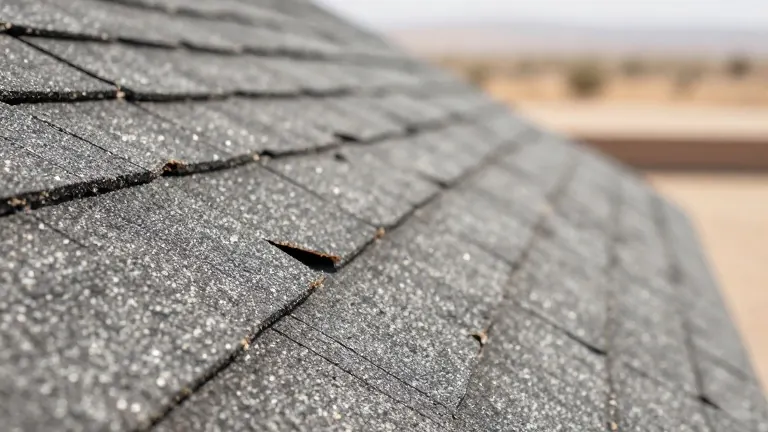
However, the material’s performance varies drastically by climate. In high-heat regions like southern Utah, standard shingles deteriorate faster than in temperate zones like Ohio. The primary driver is relentless ultraviolet exposure combined with daily temperature swings that cause the material to flex. Cheap shingles crack, curl, and lose their protective granule layer early in this environment. Once the granules are gone, the underlying asphalt bakes, leading to failure well before the expected lifespan.
NOAA data indicates that severe thunderstorm and monsoon patterns in the Southwest also contribute to roof damage. Intense, short bursts of wind-driven rain find lifted edges and improperly set nails. A roof that handles light drizzle may leak under these intense conditions. The failure often stems from the specific product specification and installation quality rather than the material itself.
The U.S. Census Bureau tracks housing stock trends that show the heavy reliance on asphalt across the country. This widespread use keeps the market competitive, offering dozens of suppliers with various styles and colors. Homeowners can match neighborhood aesthetics or choose lighter colors to manage heat. The product life expectancy ranges from 20 to 50 years depending on the rating. Most manufacturers back these composition roofs with warranties, but the rating on the package matters more than the brand logo.
Experts advise homeowners to use a decision framework before hiring a contractor. Key questions include the type of underlayment used, how attic ventilation is handled, and the manufacturer rating in writing. Valleys, chimneys, and skylights require specific flashing to prevent leaks. FEMA resources on wind and storm resilience emphasize that nailing patterns and edge metal are critical factors often overlooked by consumers.
A concrete example illustrates the difference in longevity. Two houses in Washington County built by the same contractor in the same year showed diverging results after five to six summers. The house with a standard three-tab install and minimal ventilation began curling and shedding granules. The house with a higher-rated architectural shingle, lighter color, and vented attic remained in good condition. The difference lay in the specification and installation, not the basic material.
For most homeowners, asphalt remains the affordable option, but the specific grade matters in hot climates. A higher-rated composition shingle paired with smart ventilation offers a balance between the high cost of metal roofing and the short life of cheap shingles. If a home is in a hail-prone area, homeowners should consult their insurer before committing. The EPA has noted that well-ventilated, properly insulated attics help manage heat gain, making the roof a critical component of home energy efficiency.
The choice of roofing material depends on how long the owner plans to stay in the house and their budget. If selling in a few years, a lighter specification is acceptable, but installation quality cannot be skipped. Buyers notice sagging roof lines quickly. The competition among suppliers works in favor of careful shoppers who look past the color swatch and sticker price to examine the rating and ventilation plan.