Alaska Homeowners Face Costlier Pest Damage When They Delay Professional Treatment
Short summers and compressed breeding cycles mean infestations escalate quickly, making early sealing and targeted repairs more cost-effective than late-stage repairs.
By Natalia Costa ·
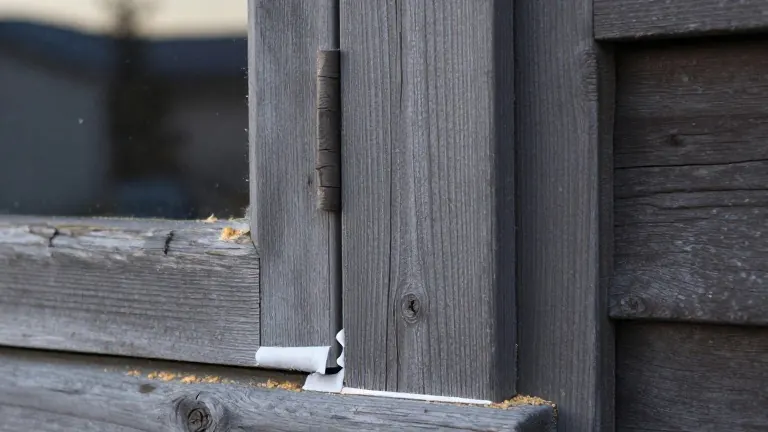
Alaska homeowners face higher repair costs when they delay calling licensed pest control professionals, a trend driven by the state’s compressed breeding seasons and older housing stock. Professional firms report that infestations escalate rapidly once temperatures rise, leaving residents less time to catch problems before structural damage occurs. The most frequent calls involve mice and voles seeking shelter, carpenter ants attacking moisture-damaged wood, and wasps building nests under eaves during the brief summer months.
The state’s climate creates specific financial risks for property owners. Long, cold winters force rodents indoors, while short summers trigger explosive insect breeding. Coastal areas like Juneau and Ketchikan experience higher humidity, which invites wood-destroying pests. Many homes in Anchorage, Fairbanks, and the Mat-Su Valley were built before modern pest-exclusion standards, creating easy entry points through crawl spaces and older foundations. The local reliance on wood heat and stacked firewood further exacerbates these issues by providing direct access for ants and rodents.
Homeowners can manage minor issues themselves if the activity is isolated and early. Single insect sightings or a single mouse caught in early fall with snap traps often do not require professional intervention. Outdoors-only ant activity and seasonal clusters of ladybugs are also manageable with basic sanitation and sealing. However, repeated sightings over several days, physical damage to wood, or evidence of nesting indicate that the infestation has moved beyond what home remedies can fix.
Specific warning signs include rodent droppings in multiple rooms, scratching noises in walls at night, and sawdust-like material near trim. A wasp nest larger than a baseball presents a higher removal risk, while persistent musty or ammonia odors suggest rodent urine buildup. If pests return within weeks of initial trapping or sealing efforts, professional assessment is necessary. Moisture intrusion remains the primary driver of carpenter ant activity, as these insects target wood softened by leaks or poor drainage.
Prevention measures that reduce long-term costs include inspecting foundations and sealing utility entry points each September. Repairing leaks and standing water near the home’s perimeter helps control moisture. Stacking firewood at least twenty feet from exterior walls and trimming vegetation that touches siding removes natural bridges for pests. These steps take less than a weekend to complete and are inexpensive compared to treating an established infestation.
Professional treatment typically begins with an initial inspection to identify entry points and the extent of activity. This is followed by targeted treatment and a sealing plan rather than a single blanket spray. Results for rodent issues are often visible within one to two weeks as trapping and exclusion take effect. Ant colonies tied to moisture problems may take longer to resolve because the underlying water issue often needs addressing alongside the pest treatment. Many companies offer seasonal monitoring to catch new activity before it becomes a repeat infestation.
Ignoring early signs leads to higher expenses as populations grow and structural damage worsens. A rodent issue caught early might require only a few days of trapping and sealing work. The same problem left unaddressed through a full winter can result in a larger population, more extensive cleanup, and damage to insulation or wiring. Addressing the root cause, such as moisture or entry points, alongside the pest itself is the most effective way to control costs.
More Business · Business Watchdog · Report a business · Got a Story?