Cockpit audio device recovered from Florida jet crash site
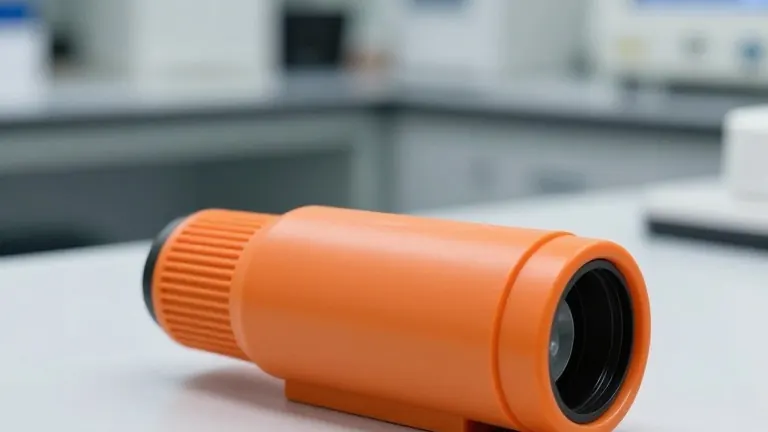
The National Transportation Safety Board is evaluating the orange recorder found at the scene of the Nov. 1 Learjet accident that killed all nine people on board.
By Natalia Costa ·
The National Transportation Safety Board confirmed on Monday that it has recovered the cockpit voice recorder from a business jet that crashed in Florida last week. The agency said the device was located at the site where the Bahamas-bound Learjet struck the ground and caught fire on Nov. 1, killing all nine people aboard.
The plane took off from Austin, Texas, and encountered severe weather during the flight. The co-pilot reported to air traffic controllers that the aircraft was being tossed up and down more than 700 feet. She requested a different route, but the jet appeared to steer around one storm cell before entering a smaller, rapidly developing one. Witnesses filmed the nose-first plunge, and air traffic control audio captured the final moments of the flight.
Investigators previously found pieces of the elevator, a tail component that controls pitch, more than a mile from the main impact crater. That finding indicated the aircraft began to break apart before it hit the ground. The voice recorder may offer details on pilot communication and actions during the turbulence and icing conditions.
The agency is currently evaluating the device at a laboratory in Washington. It is not yet known if the recorder sustained damage or if it was operational at the time of the crash. Photos posted by the NTSB show an orange metal shell that appeared intact. Jeff Guzzetti, an aviation safety expert, told the Associated Press that it is plausible the data survived if the unit is from the accident flight.
Guzzetti noted that in a similar case involving a medical transport plane crash in Philadelphia in January 2025, the recovered recorder had likely not been functioning for several years. That previous incident also resulted in seven deaths.
Investigators are scheduled to review the aircraft's maintenance records and history of mechanical problems. They will also interview officials from Upper Jets, the operator of the flight. Additionally, they plan to speak with air traffic controllers and staff from the Austin airport. The NTSB typically completes such probes in 12 to 18 months, though complex cases can take longer. The board currently manages more than 1,200 active investigations with a workforce of about 400 employees.