SpaceX turns down three Space Force bids as PLD Space locks 2027 launch target
The company skipped military work while NASA flagged high refueling costs for Starship and a Spanish startup finalized its first rocket.
By Natalia Costa ·
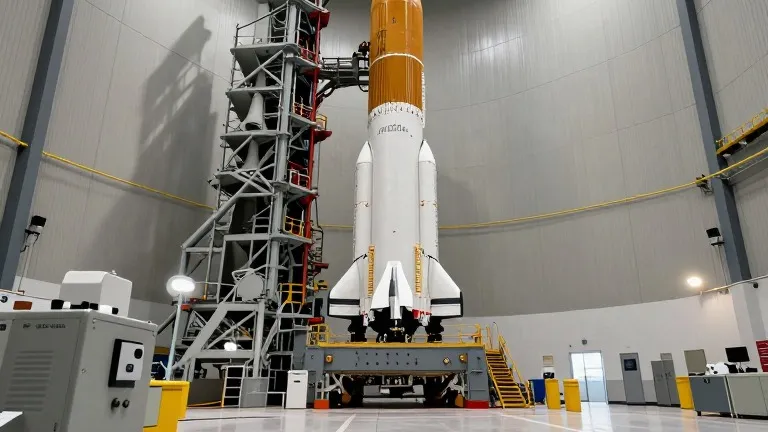
SpaceX has passed on three launch contracts offered by the US Space Force, according to the latest Rocket Report published on October 23. The company reportedly told the military branch "thanks, but no thanks" after receiving the offers. This decision marked one of two major updates involving the firm on Thursday.
The second update came from NASA, which issued a safety review regarding SpaceX's Starship. A NASA panel stated that the vehicle may require as many as 22 refueling operations to support a lunar landing. This figure indicates the high demand placed on the mission architecture for a crewed lunar trip.
In Spain, launch provider PLD Space is moving its Miura 5 rocket toward its first flight. Aviation Week reports that the small-lift vehicle is approaching final integration. The company now targets a debut before mid-2027. This rocket is one of three Miura 5 vehicles the company has built.
Raúl Torres, the CEO of PLD Space, detailed the production strategy in a program update on October 19. He said the other two vehicles are designed to qualify key system elements. Torres noted that building all three units allowed staff to maintain continuous workflows across different phases of production and integration.
"Manufacturing these three vehicles has allowed our teams to work continuously across different stages of production and integration, applying the lessons learned from each qualification campaign directly to the launch vehicle," Torres said. This approach ensures that data from qualification tests informs the construction of the primary launch unit.
One Miura 5 second stage is now fully integrated. This step allows engineers to begin system-level testing under representative operating conditions. The stage is located at PLD's test facility in Teruel. The qualification campaign for this component includes a wet dress rehearsal and a static hot-fire test.
In Canada, Reaction Dynamics is seeking to raise $350 million to expand its operations. The company, one of three prominent launch startups in the country, aims to grow its workforce from 68 employees to more than 350. It is developing a small-lift rocket called Aurora, which it hopes will reach orbit in 2028. The company also plans a medium-lift vehicle named Borealis, targeted to debut by 2031.