Oculus Founder's Dog Startup Lands $200 Million for Military Canine Project
Warhound aims to breed dogs with enhanced explosive detection capabilities with backing from Sequoia and cloning support from Colossal Biosciences.
By Carolina Wood ·
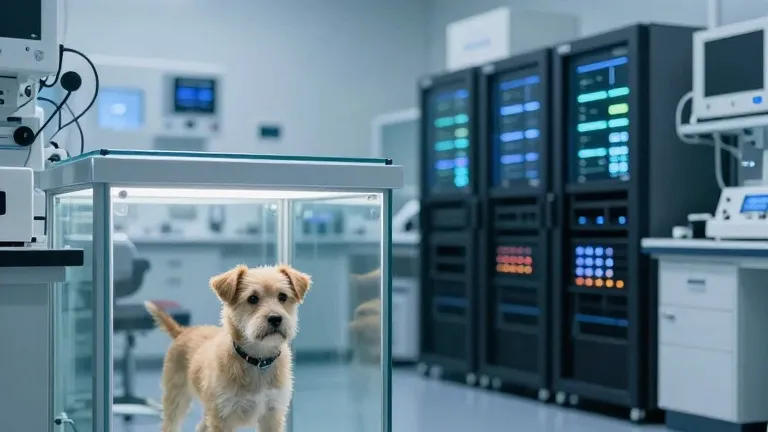
The defense sector is integrating biotechnology into its standard operating procedures. On 23 October 2026, reports confirmed that Warhound, a new startup founded by Oculus creator Palmer Luckey, has secured $200 million in funding. The company plans to use genetic enhancements to create dogs specifically tailored for military operations. These animals will be trained to detect explosives and provide physical protection for troops on the ground.
Sequoia Capital is listed as one of the primary investors in the $200 million round. The funding provides the capital necessary for Warhound to move from conceptual development to active production of these specialized canines. The company stated that the genetic modifications are designed to amplify natural canine traits relevant to combat environments. This approach contrasts with traditional breeding programs that rely on generations of selective selection without direct genetic intervention.
Colossal Biosciences is collaborating with Warhound on the technical execution of the project. The firm will handle the cloning and gene-editing processes required to produce the desired genetic profiles. This partnership brings private biotech expertise into the realm of military logistics. The collaboration suggests a growing trend where commercial biotech firms provide core infrastructure for defense contractors and startups alike.
The timing of this launch coincides with other major advancements in biological technology. In the same news cycle, Moderna and Merck announced that their mRNA cancer vaccine reduced death rates by 42%. The treatment also lowered the risk of disease recurrence for patients with melanoma. These results mark a distinct improvement in oncology outcomes compared to previous standards of care. The success of mRNA platforms in cancer treatment is often cited as a precursor to their use in other biological applications, including animal genetics.
Meanwhile, researchers reported that prime editing, a precise gene-editing tool, has reached its first human patient. The technique allows for the rewriting of DNA sequences within liver cells. This milestone demonstrates the practical application of advanced genetic tools in clinical settings. The progress in human gene therapy supports the feasibility of similar techniques being applied to non-human subjects like dogs for military purposes.
The $200 million investment signals strong confidence in the commercial viability of genetically optimized military assets. Investors are betting that enhanced detection capabilities will justify the upfront research and development costs. The project represents a shift toward bio-engineered solutions in a field historically dominated by mechanical and electronic technologies. The initial rollout of Warhound's program will determine if these genetic upgrades translate into measurable operational advantages on the battlefield.