New York City: SNAP Fresh Food Incentive Rises 40% Next Year
The daily Health Bucks cap will increase from $10 to $14 in January 2027, injecting an estimated $2.3 million into local farmers markets.
By Carolina Wood ·
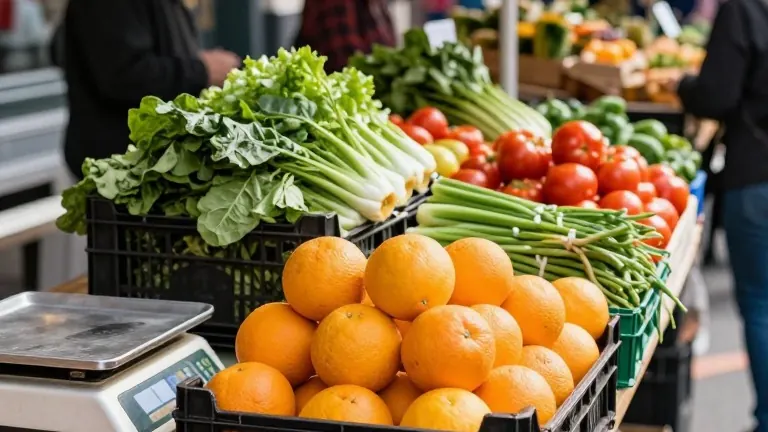
The cost of a salad just got a little lower for New York City residents who rely on federal food assistance.
City officials announced on Thursday, October 29, that the daily limit for Health Bucks will rise by 40 percent starting in January 2027. This municipal program pairs SNAP benefits with fresh produce purchases to stretch grocery budgets. The change directly affects households enrolled in the Supplemental Nutrition Assistance Program.
The daily maximum for these incentives will move from $10 to $14. A shopper spending $14 in SNAP benefits on eligible fresh fruits and vegetables at a participating market can now receive an additional $14 in Health Bucks. This doubles the purchasing power for that specific transaction, provided the shopper has not already reached the daily cap. The program operates on a matching basis, where every $2 spent via EBT card generates $2 in return credits.
These credits are redeemable at more than 100 farmers markets and fresh produce stands across the five boroughs. The network includes vendors who accept EBT payments and participate in the city’s municipal initiative. The expansion of the limit is designed to channel more consumers toward local agricultural products. It also provides additional revenue for the dozens of farmers and vendors who supply these markets.
Mayor Zohran Mamdani defended the increase as a necessary response to rising food insecurity. He noted that many New Yorkers enter stores hoping prices have not risen again. Mamdani stated that the growing number of families facing food insecurity often forces them to skip fruits and vegetables. The administration calculates that the city will distribute nearly $2.3 million in these incentives during 2027. This funding combines local resources with $5.7 million in new federal grants from the Gus Schumacher Nutrition Incentives Program, or GusNIP.
The increase does not change the monthly federal SNAP benefit amount deposited onto EBT cards. It is strictly an expansion of the local incentive for agricultural purchases. Health Commissioner Dr. Alister F. Martin emphasized the distinction between knowing what is healthy and being able to afford it. Martin argued that raising the limit boosts the purchasing power of SNAP recipients while simultaneously supporting local growers. He pointed to recent city health department research showing that nearly 8 in 10 adults at risk of food insecurity struggle to afford balanced meals.
The data from that research also revealed that 18 percent of those surveyed had not eaten any fruits or vegetables the day before the survey. Nearly one third of the at-risk group relied on emergency food services, such as community pantries, to obtain food. The city has been running the Health Bucks program since 2005. Over that 20-year period, the Department of Health has distributed more than $20 million in coupons. The expansion arrives as authorities link improved access to fresh produce with the prevention of chronic conditions, including cardiovascular disease.
Residents can find participating locations using the Department of Health farmers market map. They can also text the word "Muy Rico" to 55676 to locate nearby options. Community and religious organizations can also distribute Health Bucks to residents who participate in nutrition education activities, extending access beyond those solely using SNAP benefits.