In 2001, $399 Bought a Pocket-Sized Music Library of 1,000 Songs
Apple's original iPod relied on a 5GB hard drive and FireWire speed to challenge established electronics brands.
By Thomas Obasi ·
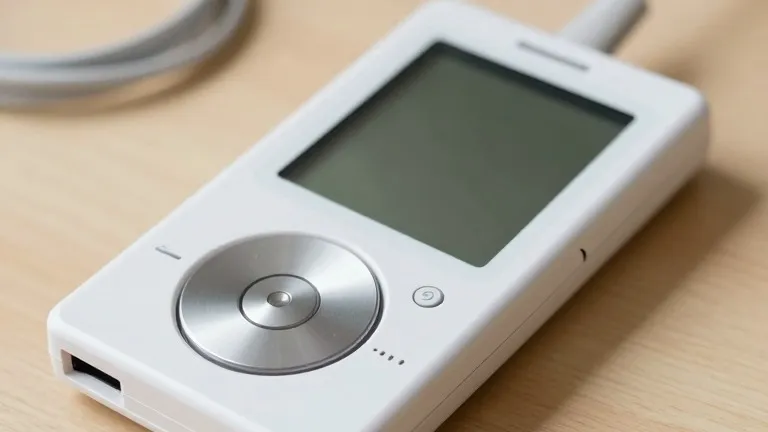
On October 23, 2001, Steve Jobs unveiled the first iPod at an Apple event. The device sold for $399 and promised to hold 1,000 songs on a 5GB hard drive. This price point defined the cost of portable digital storage at the start of the century. The product aimed to consolidate a user's entire music collection into a single, pocket-sized object.
Jobs introduced the gadget as a breakthrough digital device that was not a Mac. He positioned the iPod as a central hub for a digital lifestyle. This strategy included connecting digital cameras, camcorders, and DVD players to a Mac. At the time, Apple was recovering from the dot-com crash. The company had successfully launched Mac OS X, iBooks, and iMacs.
The market for portable music players lacked a clear leader. Sony, Creative, and Sonic Blue all sold competing devices. Jobs noted that these rivals had not yet found the right approach for digital music. Four main types of players existed then: CD players, MP3 CD players, flash players, and hard-disk jukebox players. Apple chose the hard-disk format to enter the market.
The hardware relied on a new 1.8-inch hard drive from Toshiba. The drive was 0.2 inches thick. The final device measured 2.4 by 4 by 0.78 inches and weighed 6.5 ounces. Jobs described it as lighter than most cell phones of that era. The player used a FireWire 400 cable for charging and file transfer. This connection allowed a full CD to transfer in five to 10 seconds. A full library of 1,000 songs took about 10 minutes to load, compared to five hours via standard USB.
Design focused on one-handed operation and tactile feedback. An accelerated scroll wheel used a piezoelectric clicker to help users navigate playlists. The first track played during the launch event was Sarah McLachlan's Building a Mystery. The device offered 20 minutes of skip protection and 10 hours of battery life. Apple stated that an empty battery could reach 80% charge in one hour.
Software integration was a key feature. iTunes 2 launched the same day to support the new player. This version added MP3 CD burning and automatic syncing. When connected, the iPod mirrored the music library curated on the Mac. The device could also function as a FireWire hard drive. These features created a seamless link between the desktop and the portable player.
The iPod line remained a staple of Apple's catalog for two decades. The first iPhone arrived in early 2007. The two products coexisted in Apple's lineup for over ten years. The last model, the seventh-generation iPod Touch, released in May 2019. Apple stopped maintaining the product line after that. The company officially discontinued the iPod in May 2022.