Caregiver tactics and gout prevention explained
A new broadcast segment offers practical communication tips for aging parents and details the medical causes of joint pain flare-ups.
By Natalia Costa ·
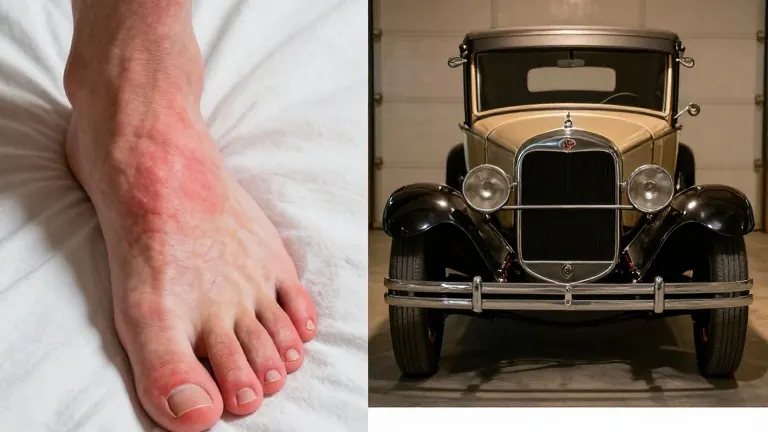
Roughly 5 million Model A Fords were produced between 1927 and 1931, a figure that anchors a new episode of the health and lifestyle program Aging Untold. The broadcast, airing on WCAX-TV, uses that historical automotive context to frame a discussion on longevity, maintenance, and the human element of care.
The segment opens with strategies for managing high-stress interactions between caregivers and aging family members. 'Sam' Cradduck, a gerontologist, advises that when a conversation begins to escalate, the most effective immediate action is to leave the room. This pause allows the caregiver to calm down before re-engaging, reducing the likelihood of sharp words being exchanged during a moment of fatigue.
Amy O'Rourke, an aging expert featured in the episode, identifies specific vocabulary that tends to trigger conflict. She warns against the frequent use of six particular words in these exchanges: no, you, always, never, don't, and you can't. By monitoring their language, caregivers can help maintain dignity and reduce tension during difficult health-related discussions.
The program also addresses gout, a common condition characterized by intense pain. Dr. Rhea Rogers, a board-certified physician, describes the typical symptom as a red, throbbing big toe. She explains the physiological mechanism behind the flare-ups: uric acid accumulates in the blood and forms crystals in the joints and tissues. The body's immune system then identifies these crystals as foreign objects, triggering an inflammatory response.
Rogers notes that elevated uric acid levels can indicate underlying health issues beyond joint pain. The segment emphasizes preventative steps that individuals can take in their daily routines to lower the risk of painful episodes. This medical overview aims to demystify the condition for viewers who may be experiencing symptoms or caring for someone who is.
In a separate feature, the broadcast profiles a nonprofit organization founded by labor and delivery nurses in St. Louis. These women, having witnessed the emotional impact of pregnancy and infant loss on mothers, sought to create a standardized approach to bereavement care. Kayla Hollingshead, a spokesperson for the group, points out that while most medical diagnoses have established standards of care, no such framework existed for families suffering the unexpected loss of a baby.
The organization has since developed a new standard that dictates how office staff should communicate with grieving families. They also assemble comfort kits containing books, cards, and self-care items, which are mailed to families around the world. This initiative aims to provide tangible support and professional guidance during a time when standard medical protocols often fall silent.
The episode concludes with a look at the Old Dominion Model A Ford Club. Stew Wolfe, the club's vice president, notes that the vintage vehicles still draw crowds. He describes the reaction of onlookers, particularly children, when the distinctive ahooga horn is sounded. With only a fraction of the original five million cars still in existence, these clubs play a key role in preserving the engines and the history of the automotive era.
More Business · Business Watchdog · Report a business · Got a Story?