Brita Pitchers: Understanding Filter Technology and Pricing
Consumers seeking alternatives to bottled water can choose between standard and advanced filtration systems ranging from $15 to $45.
By Natalia Costa ·
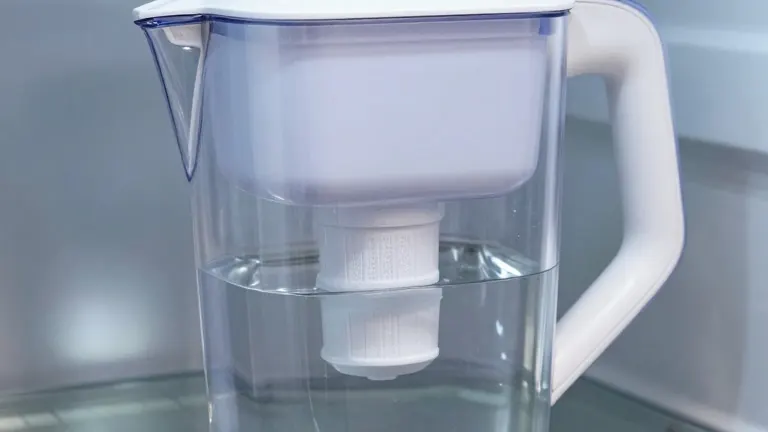
Brita has manufactured water filtration systems for over 50 years, offering household products that address common concerns about tap water taste and safety. The company currently sells two primary pitcher models: the 10-Cup Standard Everyday Pitcher and the Original 6-cup Small Plastic Water Filter Pitcher.
The U.S. Centers for Disease Control and Prevention states that the United States has one of the safest water supplies in the world. Despite this status, tap water can become contaminated by sewage releases, naturally occurring chemicals, fertilizers, pesticides, and system malfunctions. Many individuals use filtration devices to reduce these contaminants or simply to improve the flavor of their drinking water.
Most Brita pitchers operate using a dual reservoir system where water flows from an upper chamber through a filter into a lower pouring chamber. Standard filters utilize a mesh screen and activated carbon to reduce odors and tastes. These standard filters also include Ion Exchange Resin, which captures copper, zinc, and cadmium. For those needing additional protection, Brita offers Longlast+ filters. These filters contain pleated material designed to help reduce contaminants such as lead, asbestos, and cadmium.
A third option is the stream filter, which processes water as it is poured into a glass. This method allows users to fill the pitcher more quickly, though it requires a longer pour time to fill individual glasses. The price of these pitchers generally ranges from $15 to $45. The 10-Cup model is designed to fit on a refrigerator shelf and features a locking lid to prevent spills. It is compatible with both Standard and Longlast+ filters. Some users have noted that this model can be difficult to disassemble for cleaning.
The 6-Cup model offers a smaller, lightweight design for users with limited refrigerator space. It features a large, ergonomically designed handle for easier pouring. While the lid is intended to be secure, some owners report that it leaks if the pitcher is accidentally tipped backward. Buyers should measure their refrigerator shelf height to ensure the specific model they choose will fit inside the appliance.
Most modern Brita pitchers include an electronic filter tracker built into the lid. This device counts the number of times the pitcher is filled and alerts the user when it is time to replace the filter. If the tracker loses power, the water remains filtered, but the user must manually track filter usage. The company recommends cleaning the pitcher every two months, which coincides with standard filter replacement schedules. Cleaning requires disassembling the parts and washing them by hand with mild dish detergent and a nonabrasive sponge.
The Mayo Clinic estimates that men need approximately 99 ounces of water daily, while women need approximately 74 ounces. These estimates vary based on exercise levels, environment, and health status. Users can monitor hydration by observing urine color, where clear or light yellow indicates proper hydration. The 10-Cup pitcher holds enough water to meet these daily needs for most individuals, while the 6-Cup model is suitable for those who prefer smaller, more frequent refills.